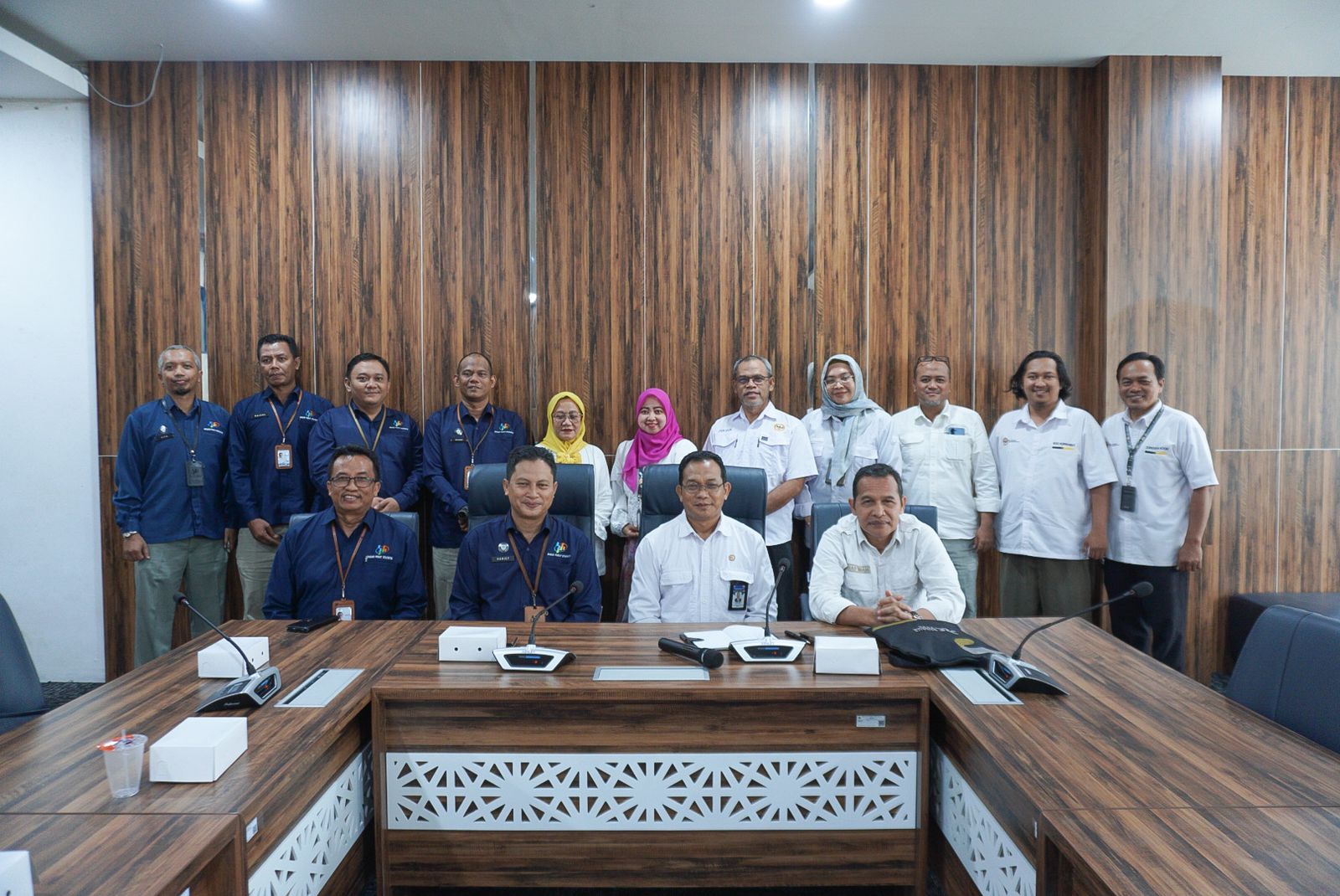
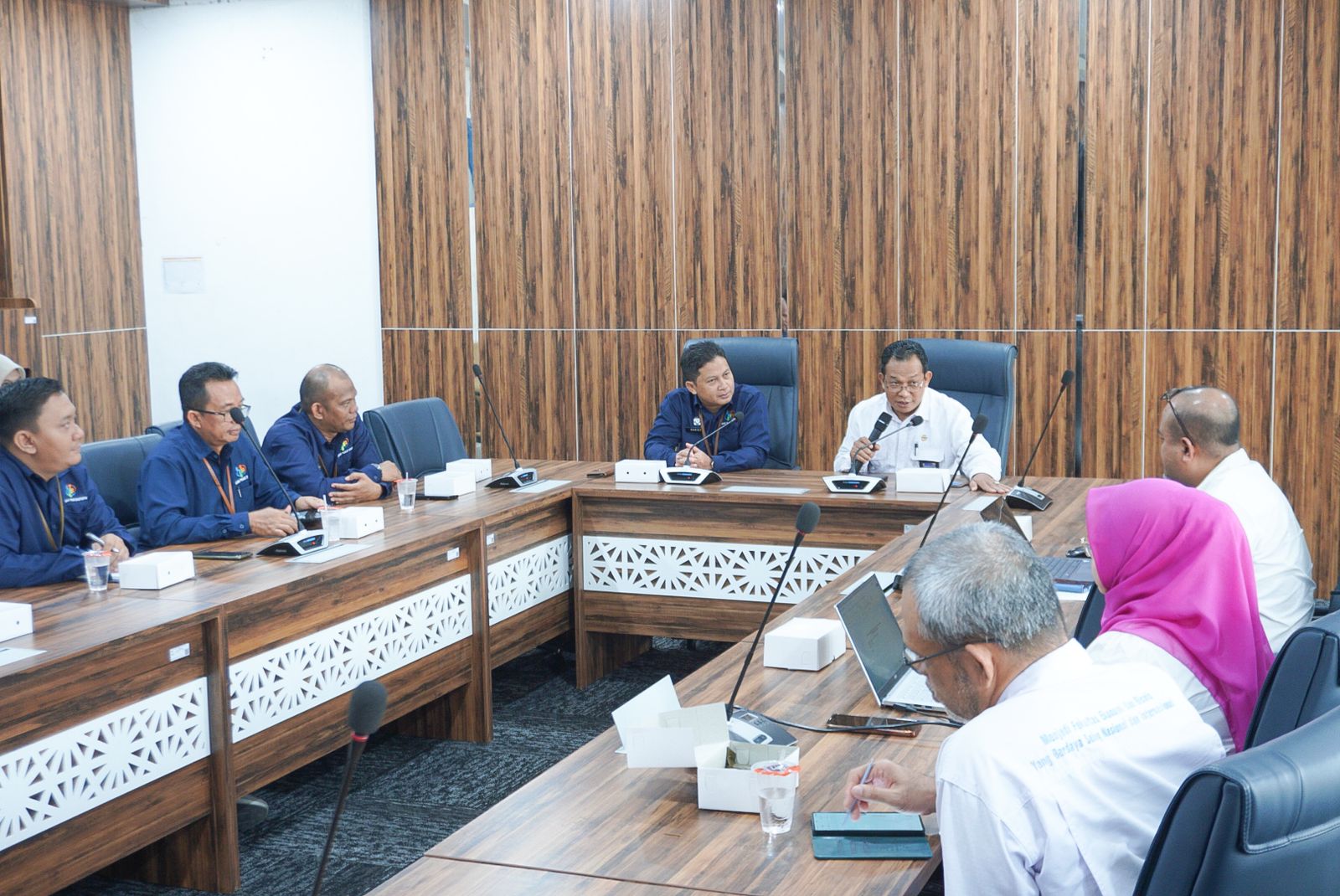
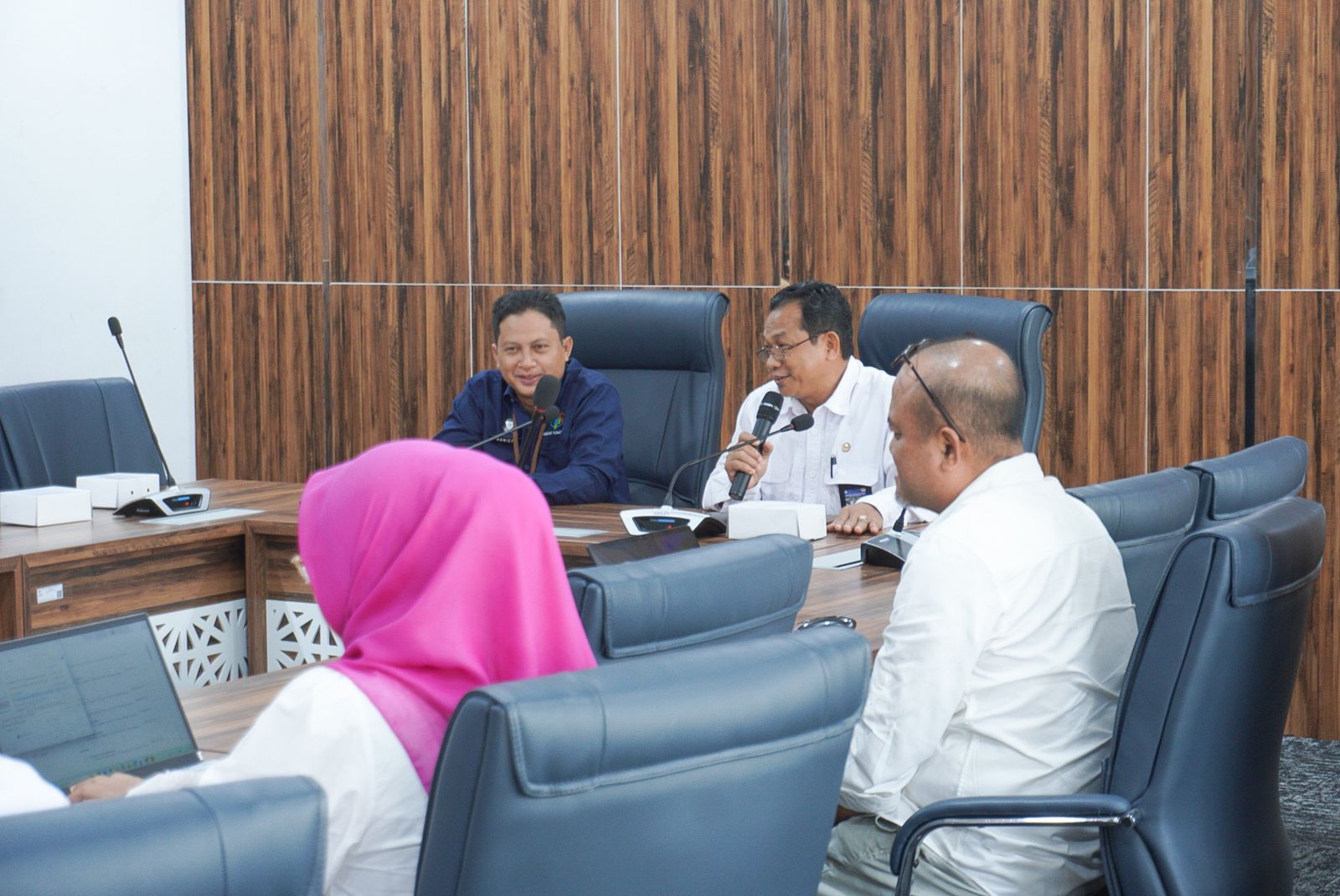
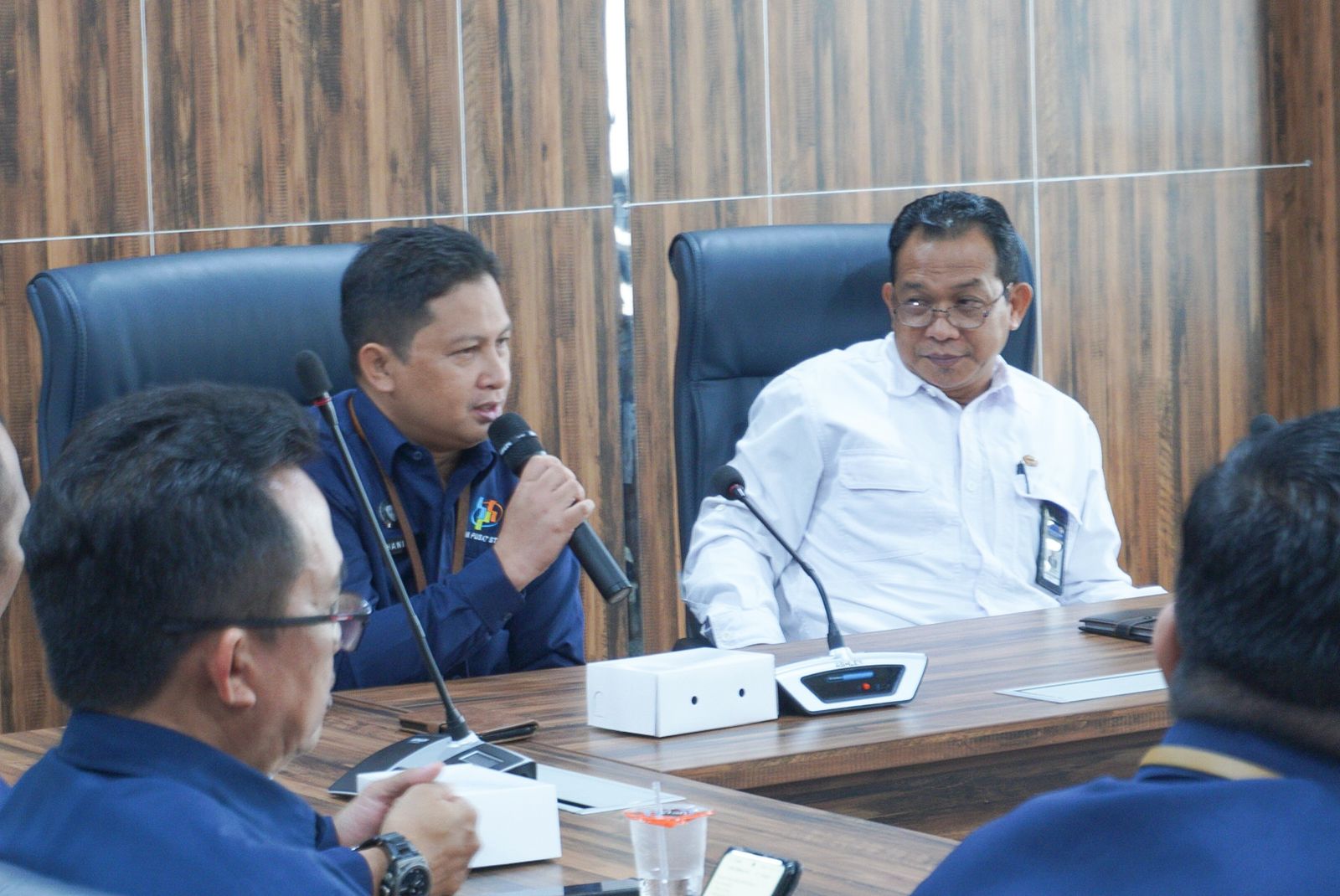
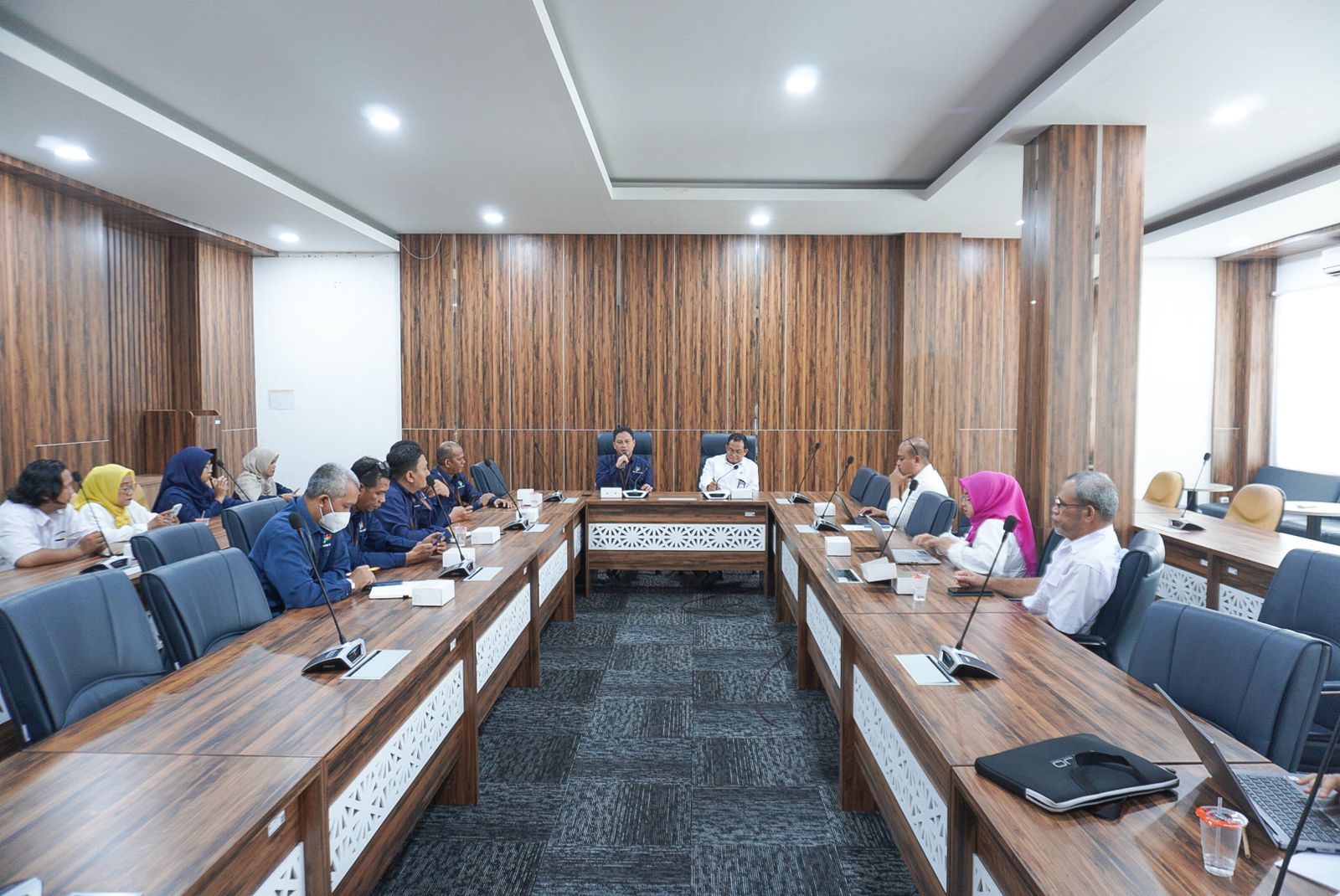
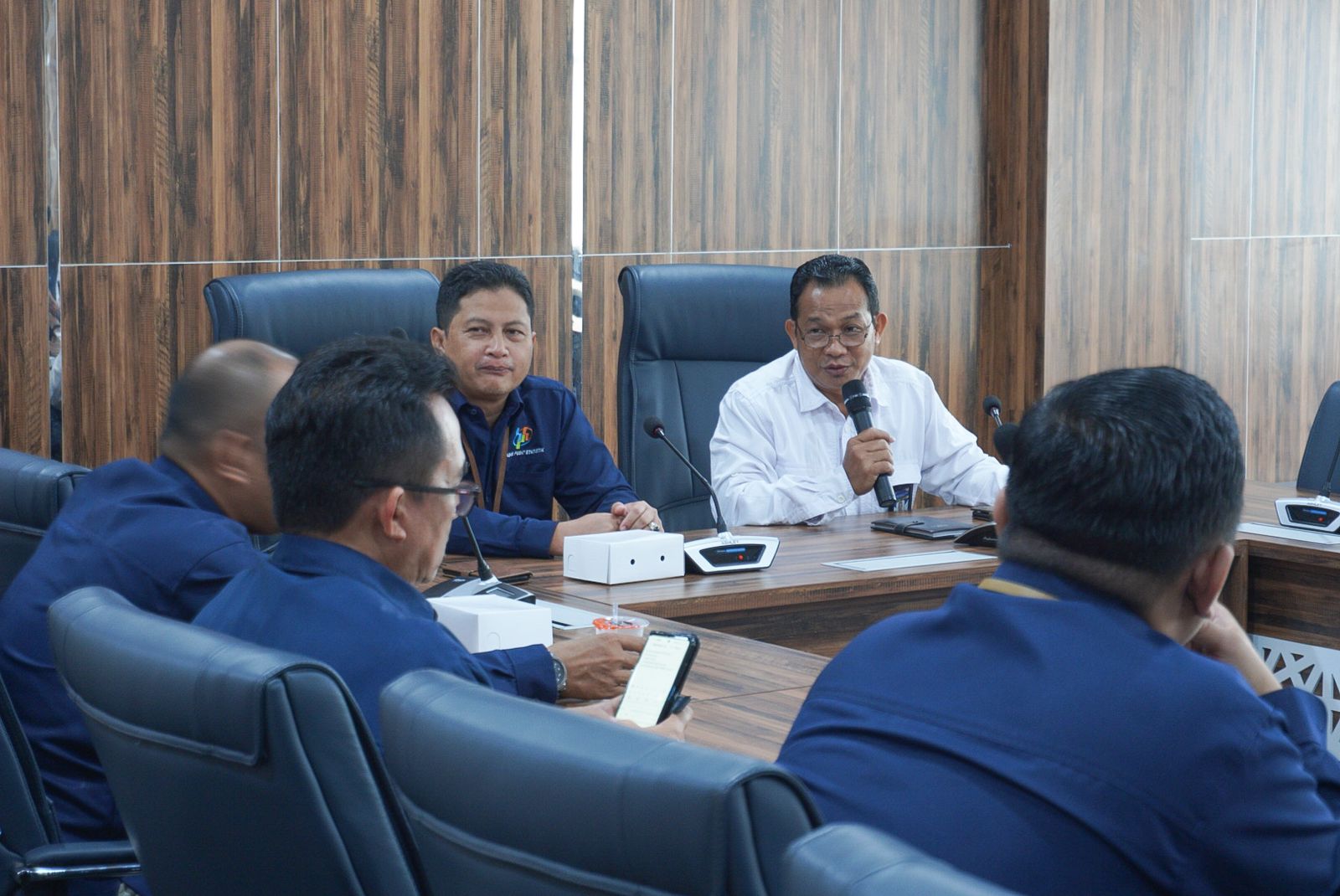
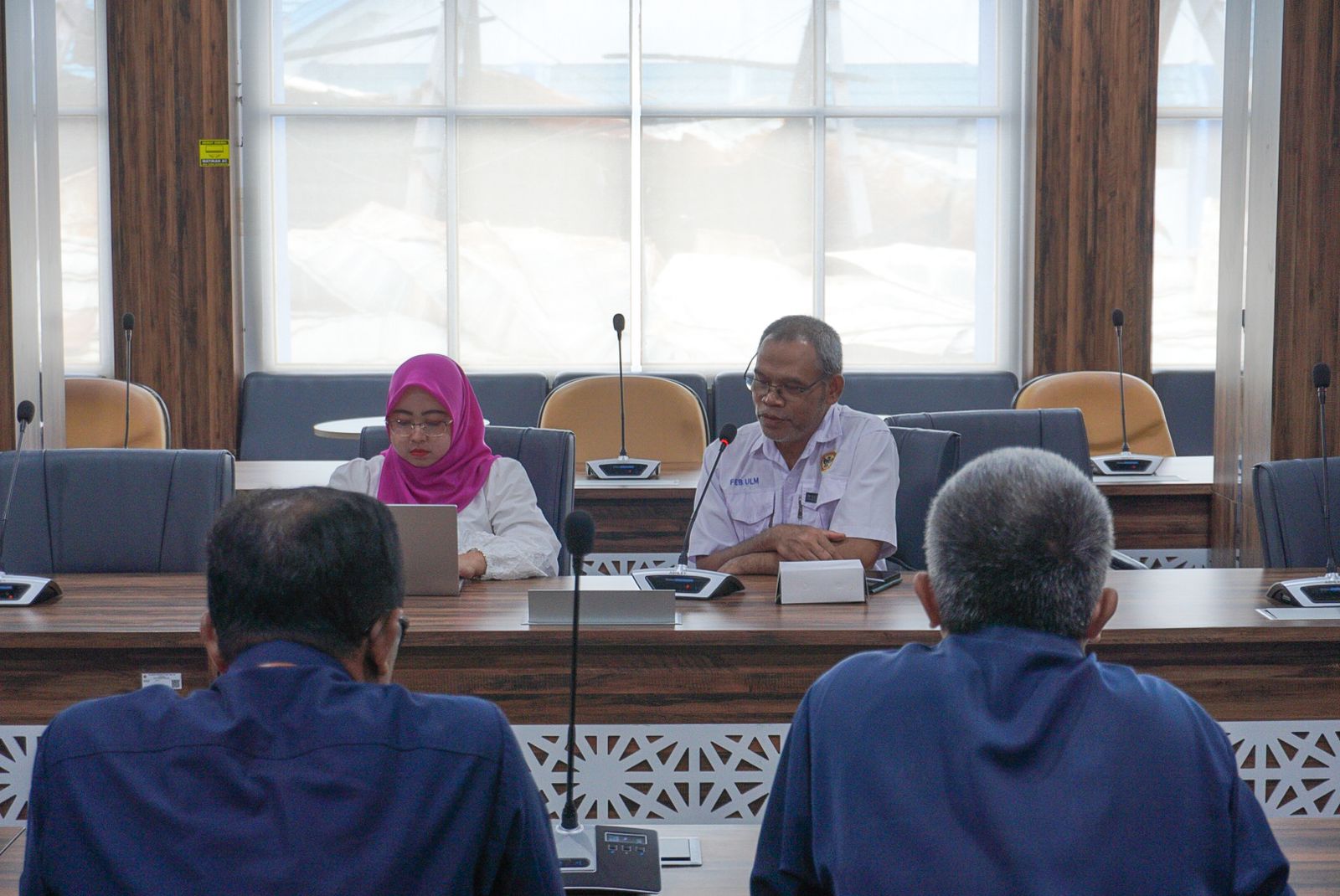
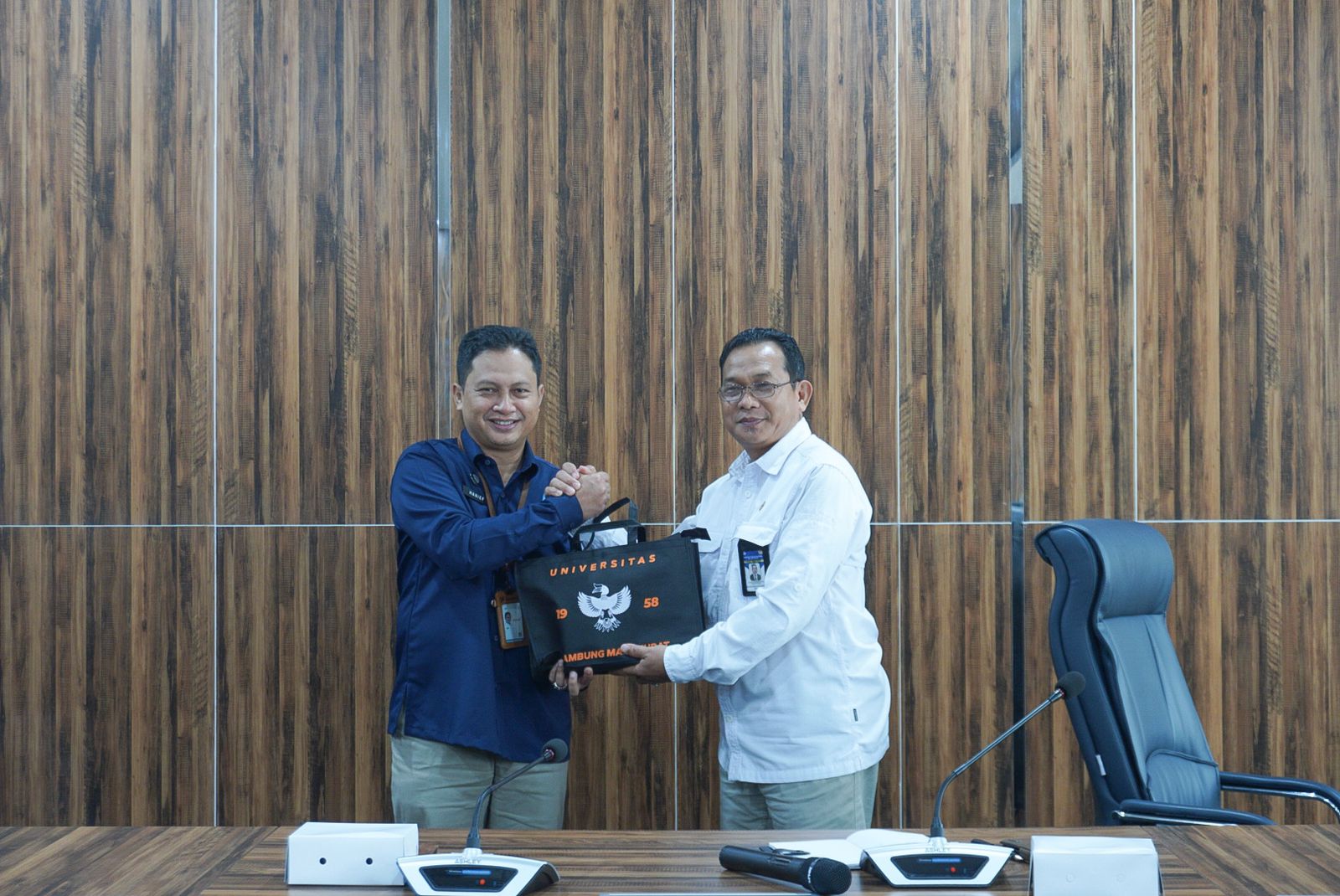
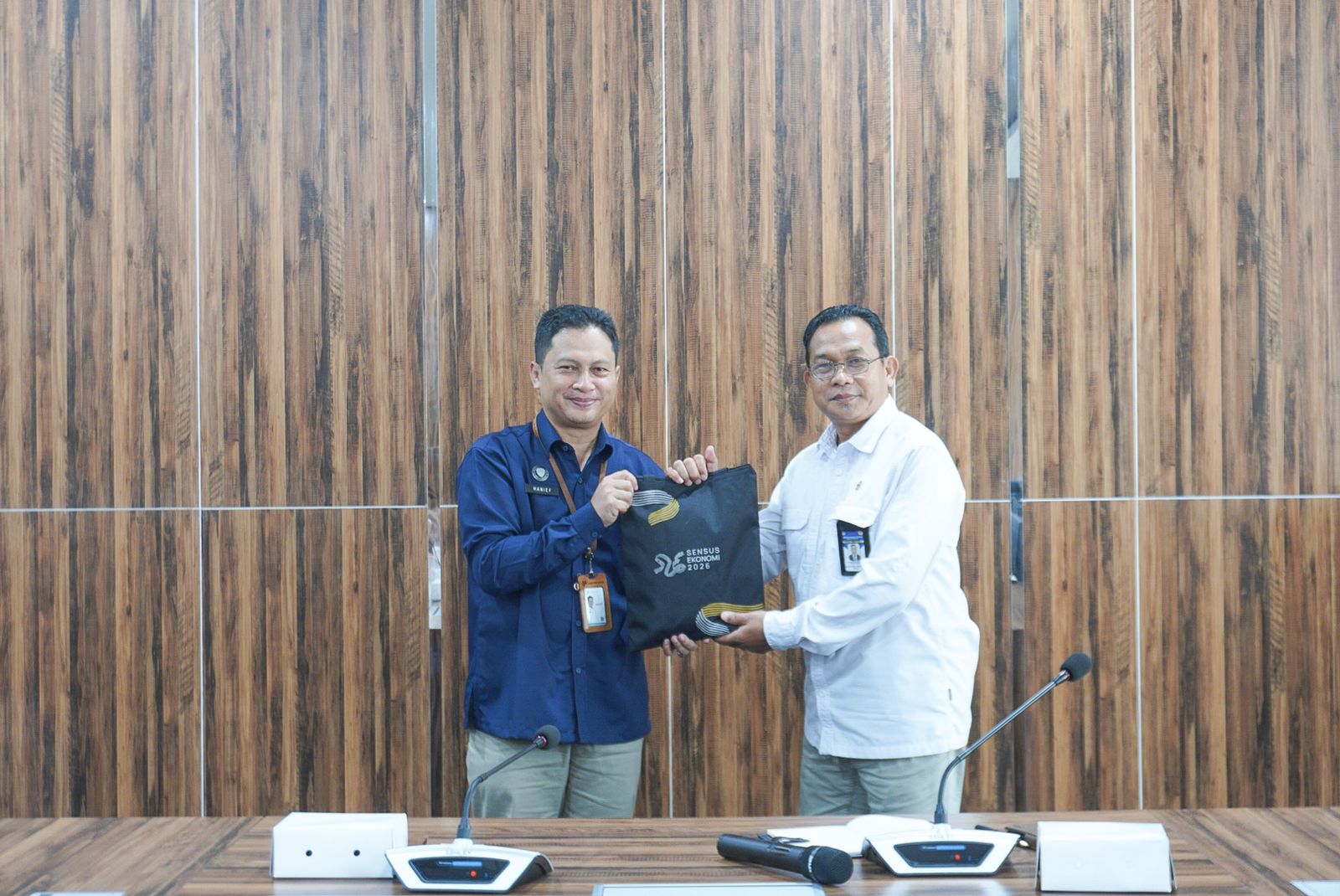
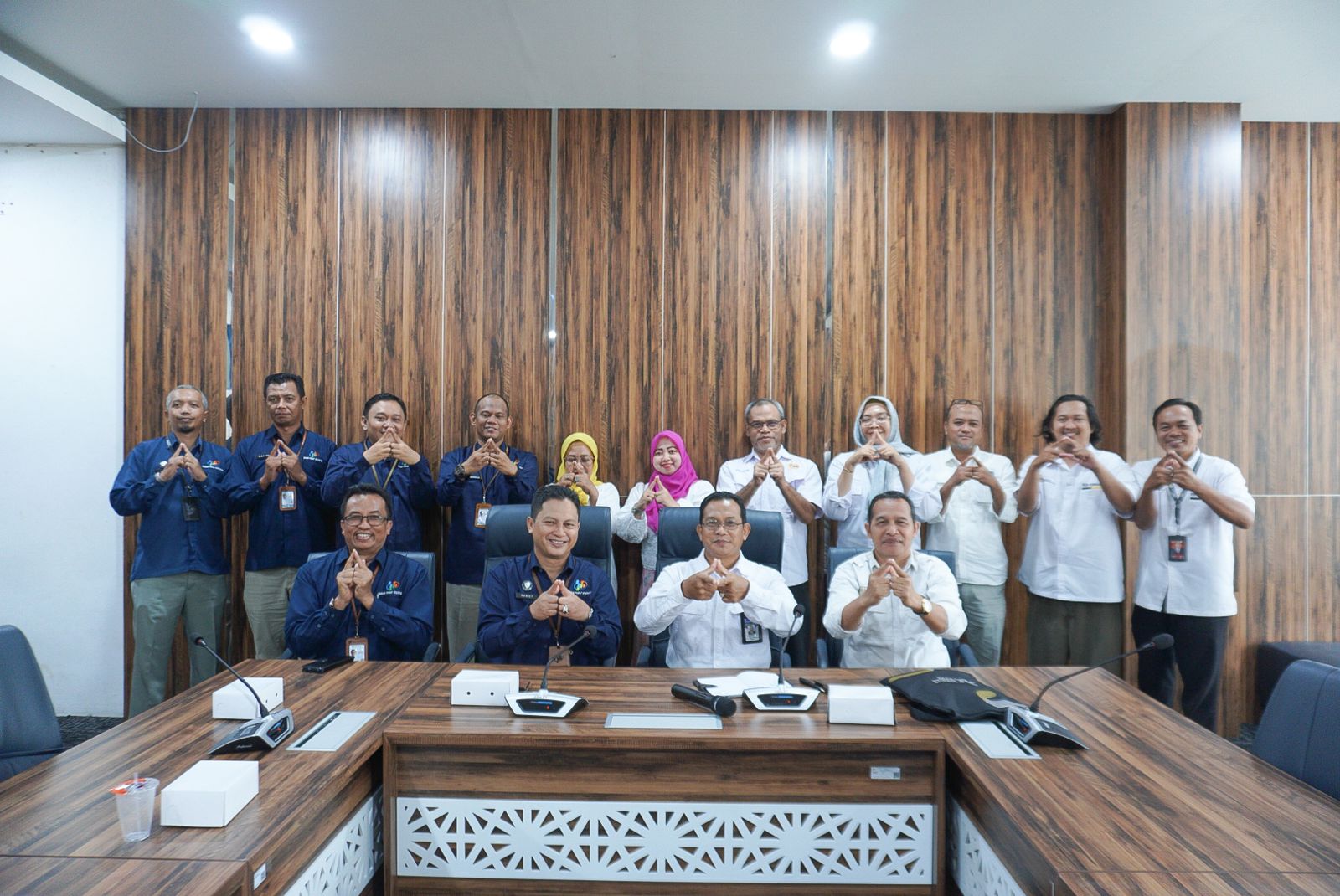
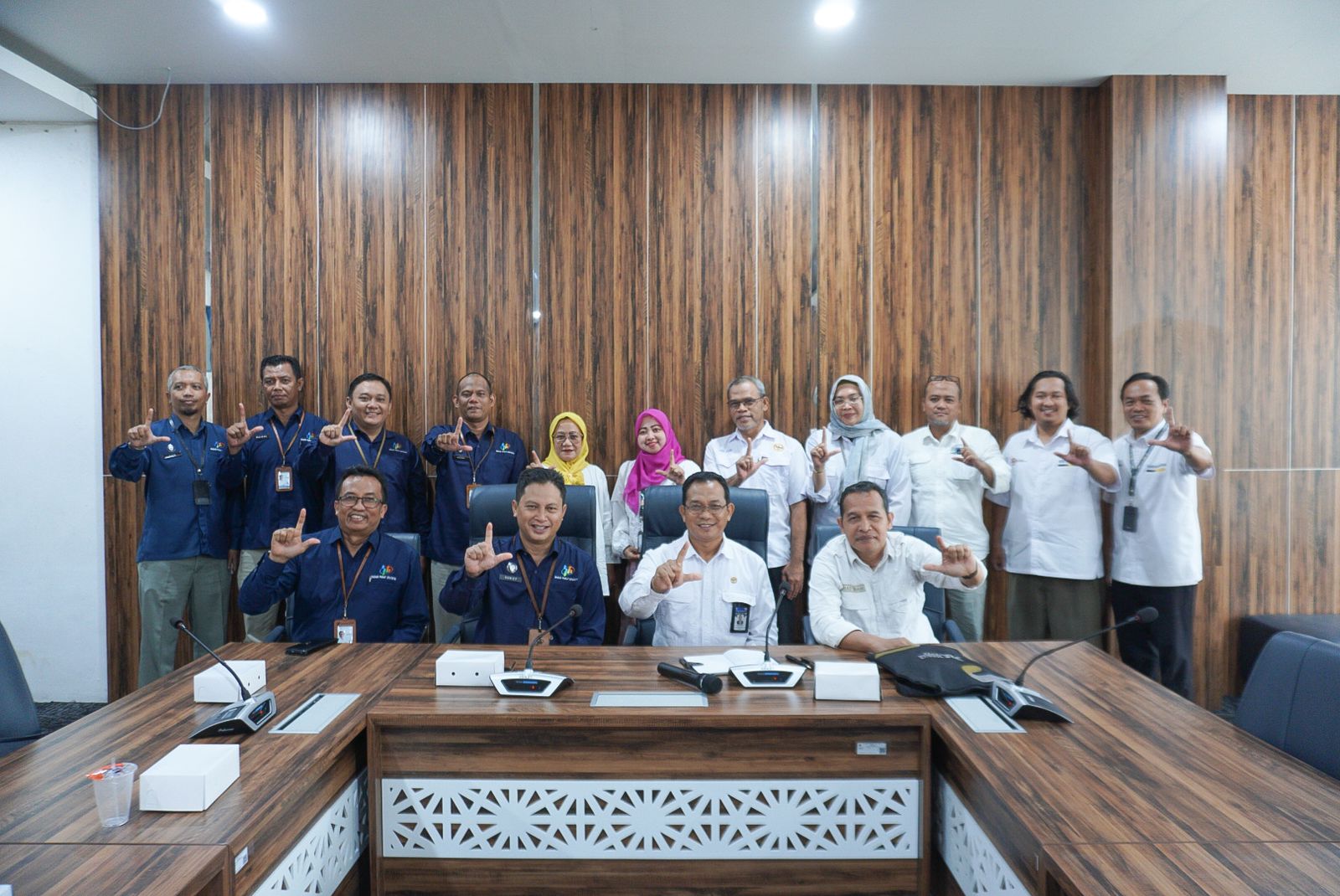
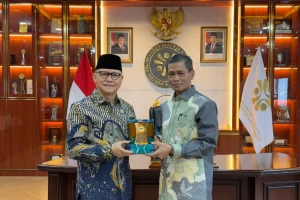
Banjarmasin – Lambung Mangkurat University (ULM) affirmed its commitment to supporting the implementation of the 2026 Economic Census through a meeting with the Central Statistics Agency (BPS) of South Kalimantan Province, held at the ULM Banjarmasin Rectorate on Monday (April 13, 2026).
The meeting discussed the synergy between universities and BPS in supporting the implementation of the economic census, particularly in terms of outreach and opportunities for student involvement in the field.
The Vice Rector for Student Affairs and Alumni of ULM, Dr. Muhammad Rusmin Nuryadin SE., M.Si., stated that ULM is ready to play an active role in ensuring the success of this national agenda.
“We at ULM welcome and are ready to support the implementation of the economic census. Whatever BPS requires, God willing, we are ready to contribute,” he said.
He added that ULM has the relevant resources to support these activities, such as students from the Statistics and Development Economics study programs who are familiar with data processing and field surveys.
Meanwhile, the Head of the Statistics Indonesia (BPS) of South Kalimantan Province, Muhammad Mukhanif, expressed his appreciation for the established collaborative relationship with ULM.
“Our collaboration with ULM has been very successful, including in handling data requests. Furthermore, through the statistics corner, ULM students have acted as statistical agents, assisting us with our services,” he said.
During this meeting, BPS and ULM discussed activities and the university’s support for the 2026 Economic Census. The census is scheduled to take place from May to August 2026. BPS hopes that ULM can help promote this activity to students and provide opportunities for participation without disrupting the academic process.
Through this meeting, Lambung Mangkurat University once again demonstrated its role as a strategic partner for the government in supporting national policies. ULM’s involvement extends beyond academics to tangible contributions in collecting accurate economic data, which serves as the basis for sustainable development planning.