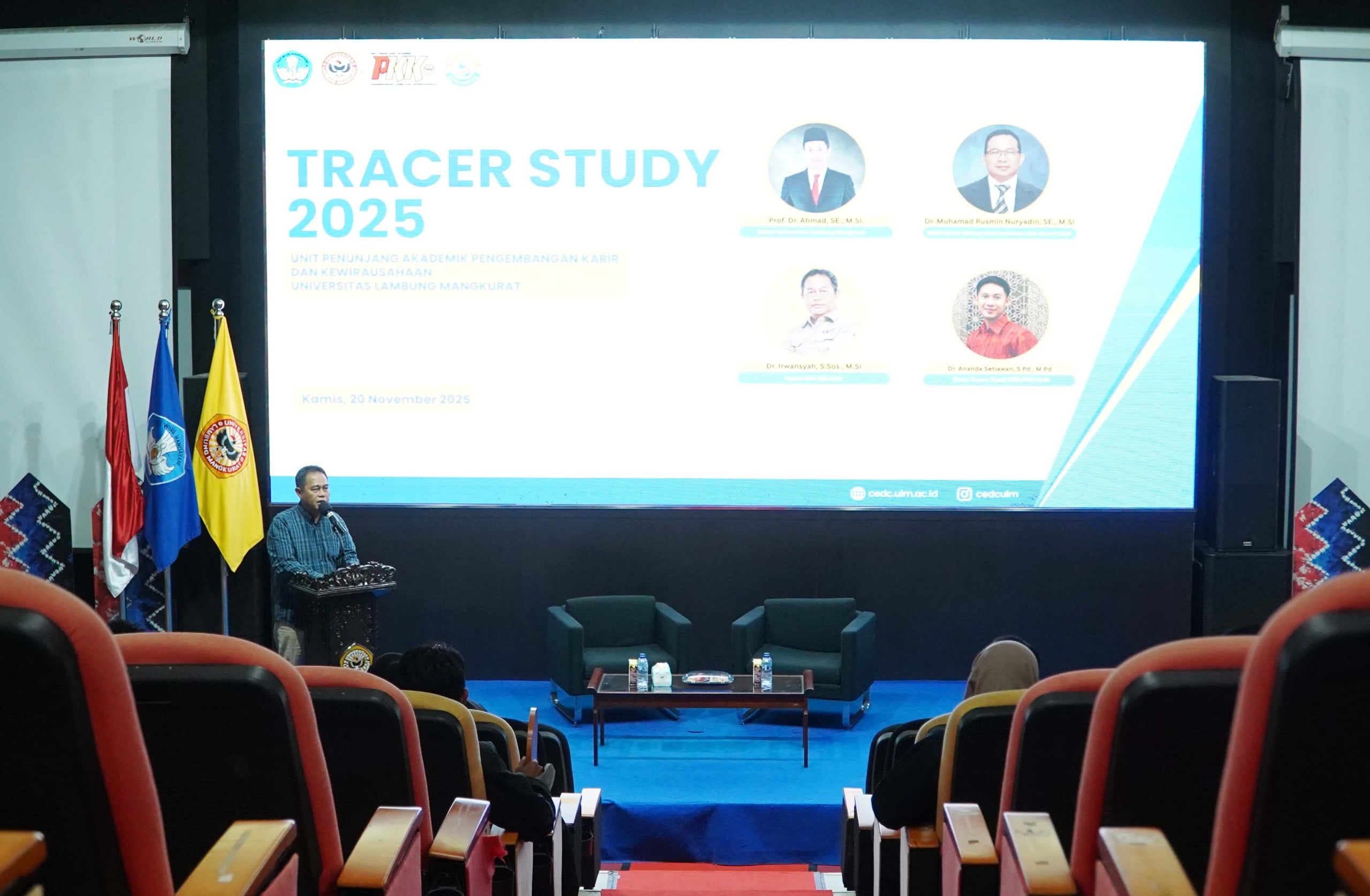
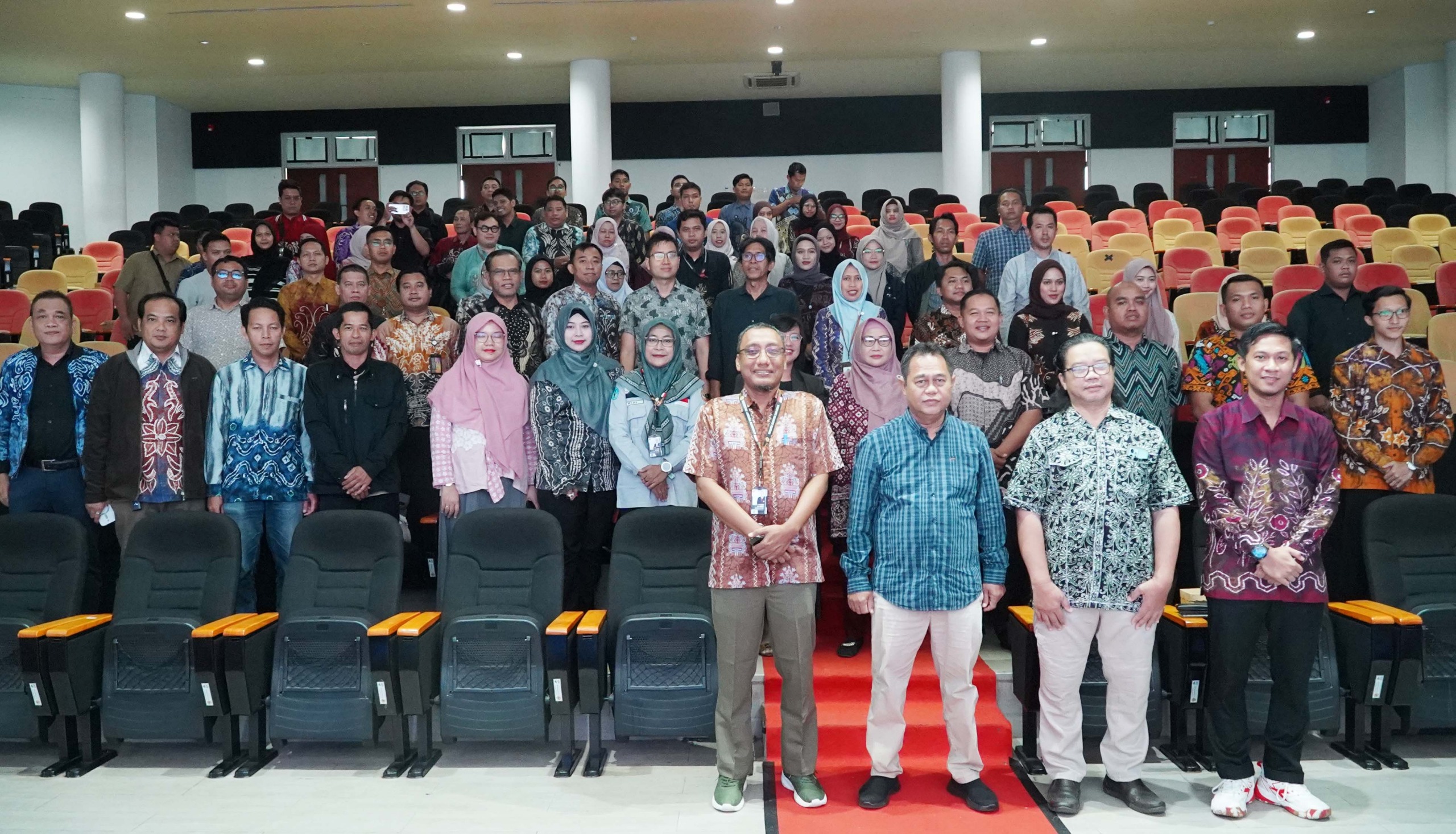
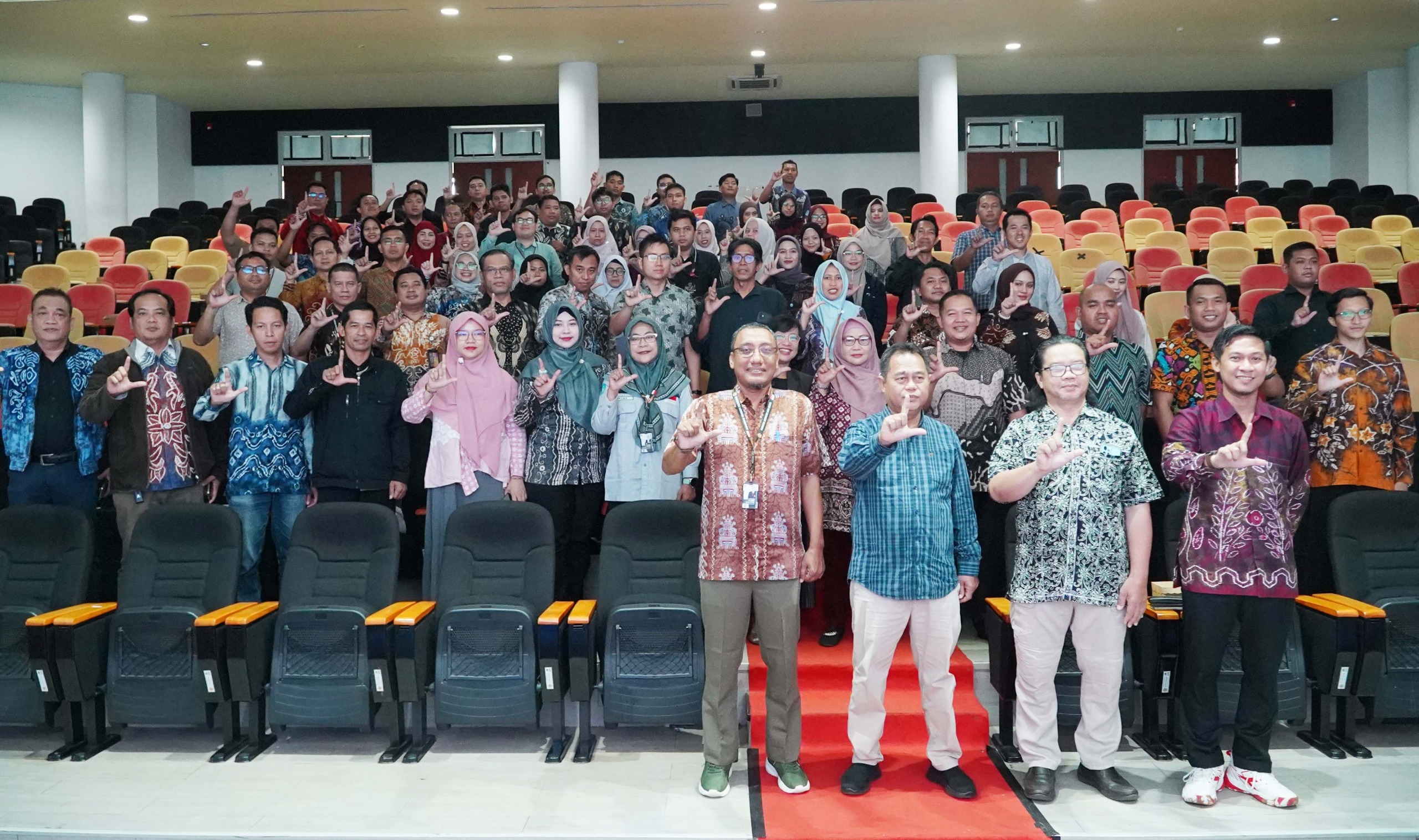
Banjarmasin – Lambung Mangkurat University (ULM) held an Expose Tracer Study on Thursday (November 20, 2025) at the ULM Banjarmasin General Building. University leaders, faculties, and study programs attended the event to hear presentations on alumni tracer study results, measure graduate performance in the workforce, and formulate strategies to improve educational quality.
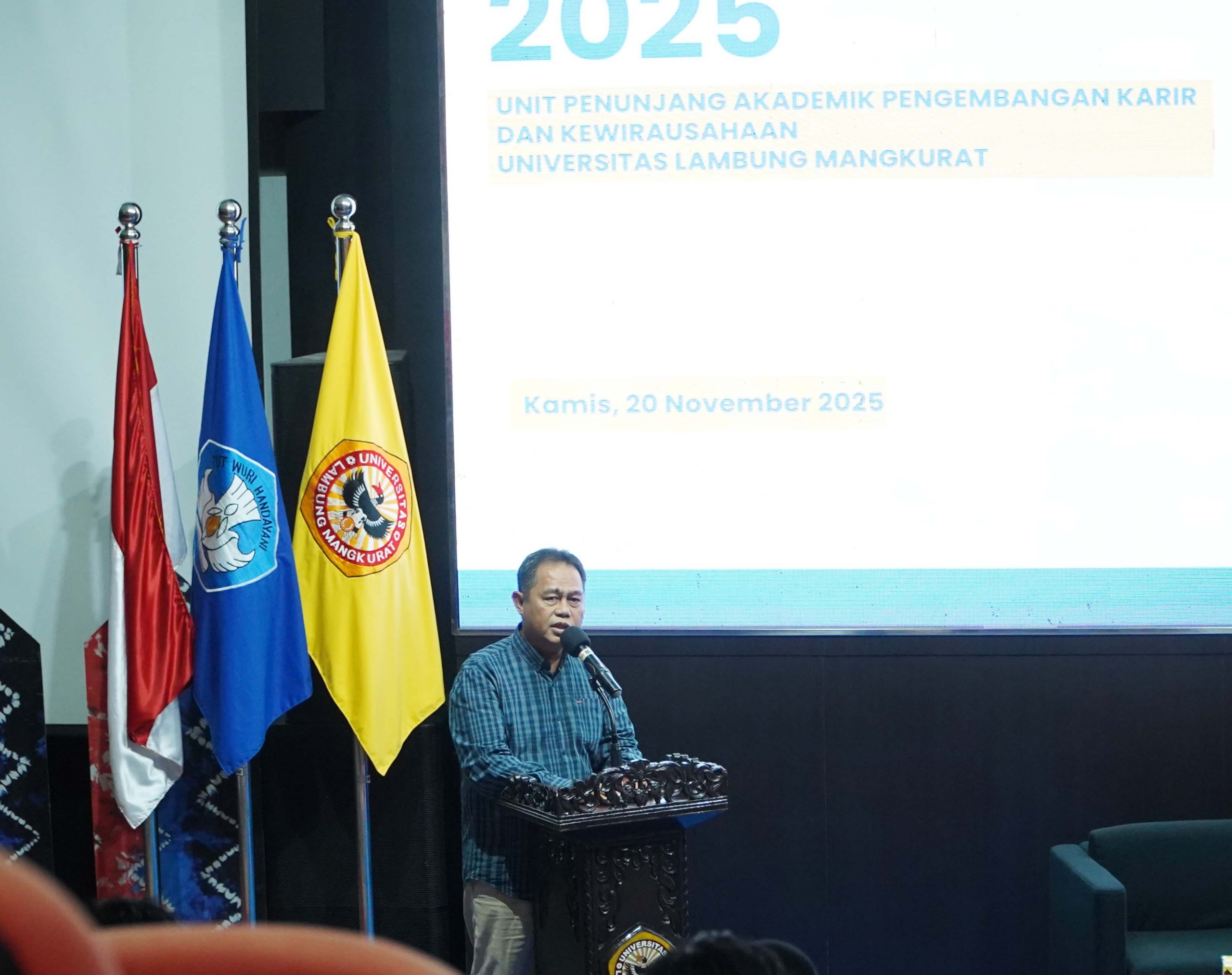
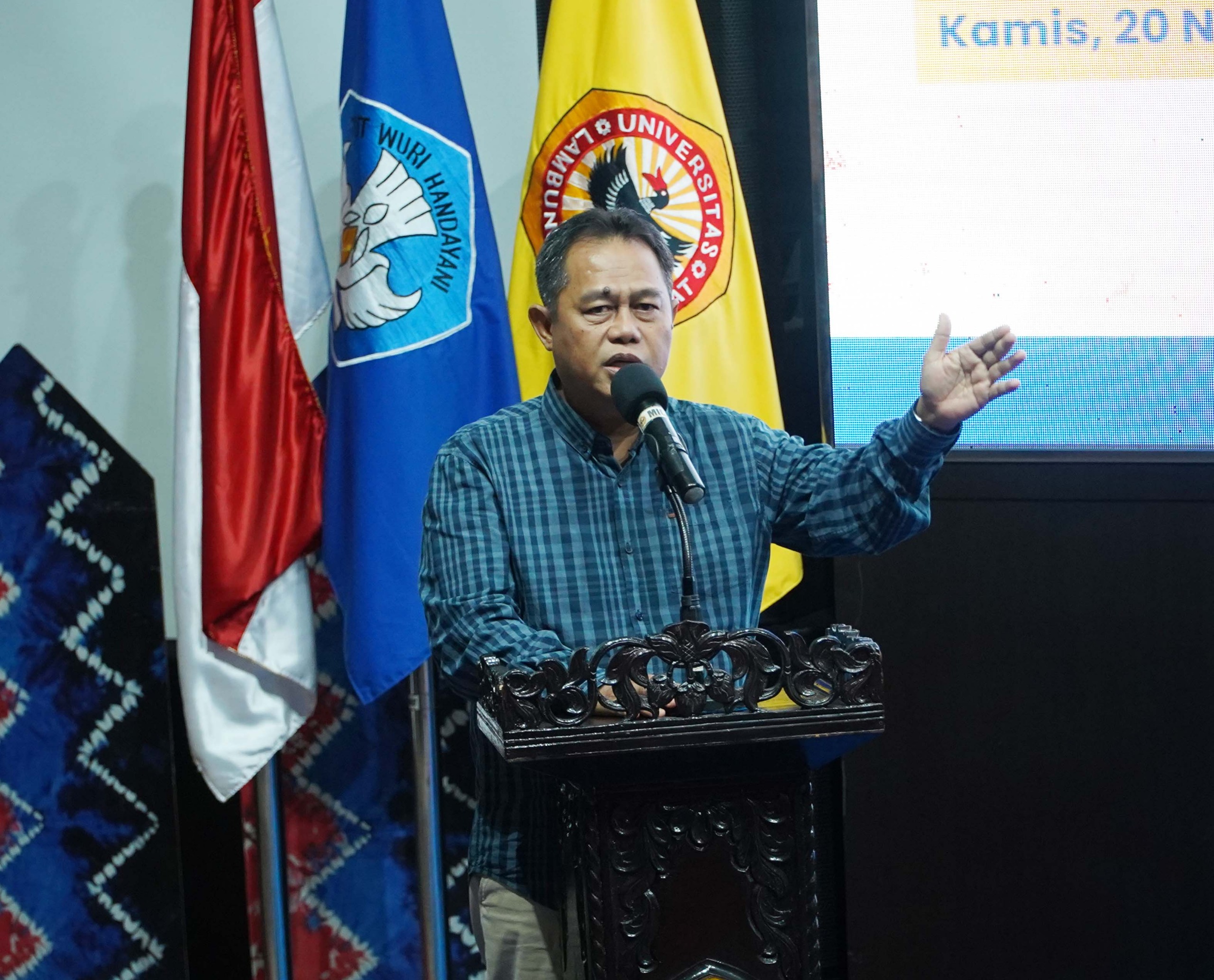
The Expose Tracer Study was officially opened by the Head of the ULM Career Development and Entrepreneurship Academic Support Unit (UPA), Dr. Irwansyah, S.Sos., M.Si. In his remarks, he emphasized the importance of tracer studies as a vital evaluation tool for higher education.
“This year, we increased our target to 65% from the previous 60%. Thank God, we achieved the overall target of 66%. This is thanks to the collaboration of all of us, including the UPA PPK team, the faculty team, and the university team,” he said.
Dr. Irwansyah hopes that by 2026, ULM’s Tracer Study achievements will increase, with alumni not only successfully becoming employees but also empowered as entrepreneurs.
“The tracer study is not just a routine activity, but a reflection for ULM to see how relevant our curriculum is to the needs of the job market. The data from this study will provide a strong foundation for us to make continuous improvements, ensuring that ULM graduates are highly competitive and ready to contribute to development,” he said.
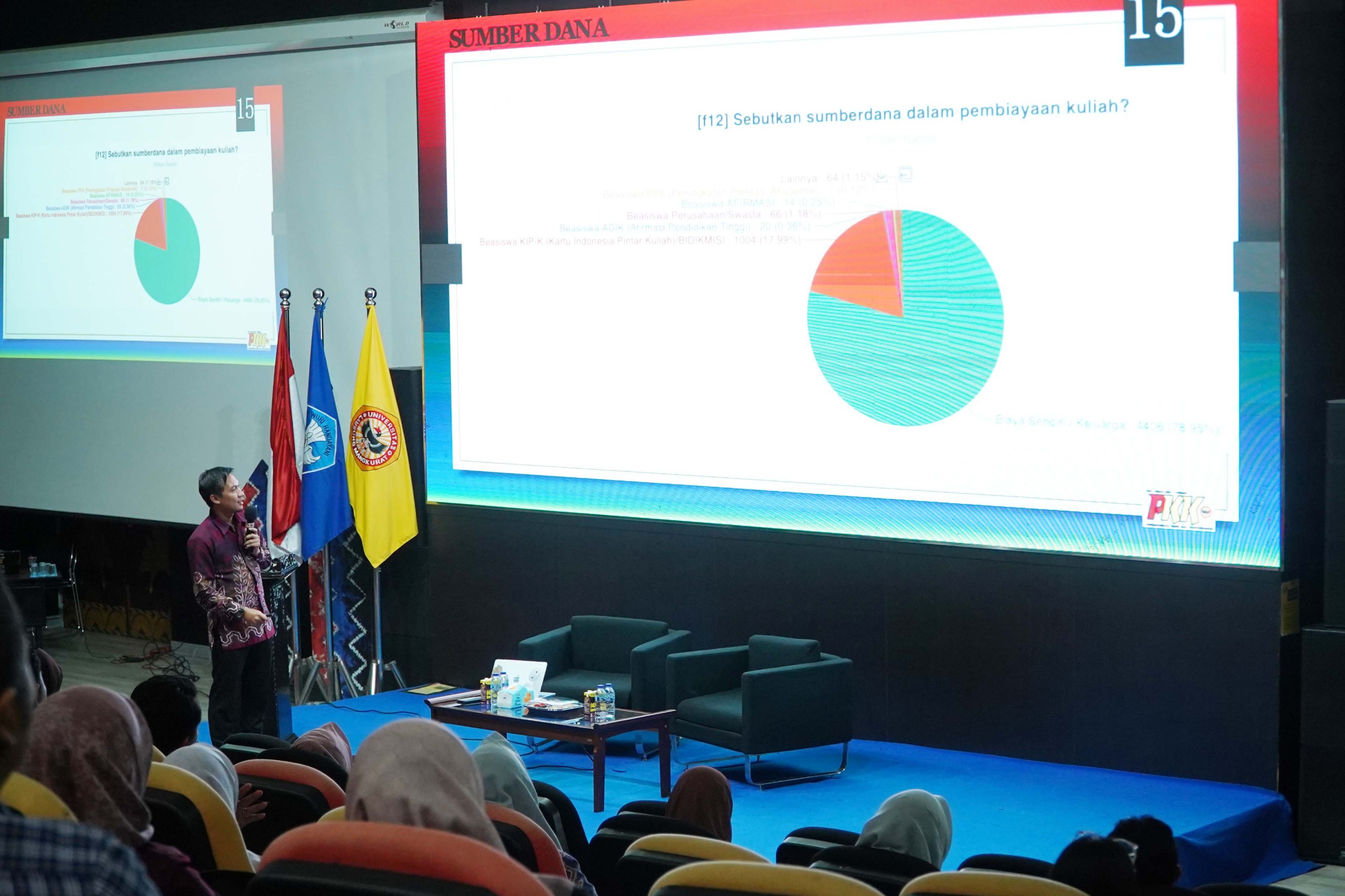
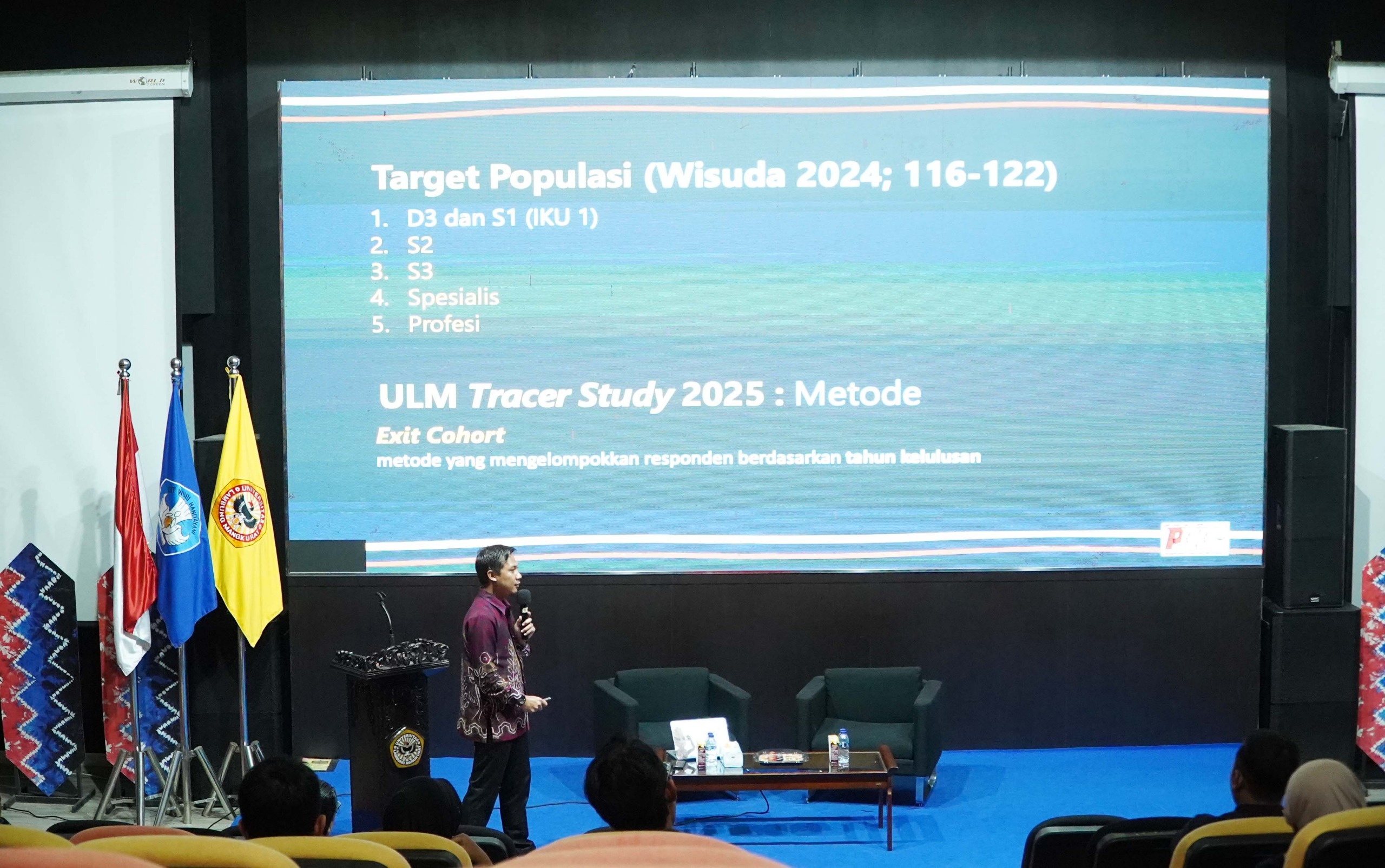
Dr. Ananda Setiawan, S.Pd., M.Pd., delivered the results of the tracer study. Based on the data presented, the Expose Tracer Study formulated several strategic recommendations, including:
Contacting alumni to ensure users complete a user satisfaction questionnaire that will be automatically forwarded after they complete it;
Optimizing GRR and NRR achievements across all faculties and postgraduate programs in 2026;
Enhancing study program internationalization programs to improve English language competency;
Reconstructing the curriculum based on the needs of the DUDI (Duty and Industrial Competency Standards) and the National Competency Standards (SKKNI);
Preparing courses with soft skills characteristics as electives for students;
Activating alumni associations in each study program/department and faculty to strengthen the bond between alumni and the institution;
Creating an academic atmosphere that involves strategic partners (entrepreneurs, practitioners relevant to the graduate profile);
Redesigning the 2026 tracer study questionnaire to meet the data needs of various parties.