ULM Strengthens Role in National Food Research, Rector Signs Joint Agreement with the Ministry of Agriculture, Ministry of Education, Science, and Technology, and National Agency for Research and Innovation
ULM Strengthens Role in National Food Research, Rector Signs Joint Agreement with the Ministry of Agriculture, Ministry of Education, Science, and Technology, and National Agency for Research and Innovation
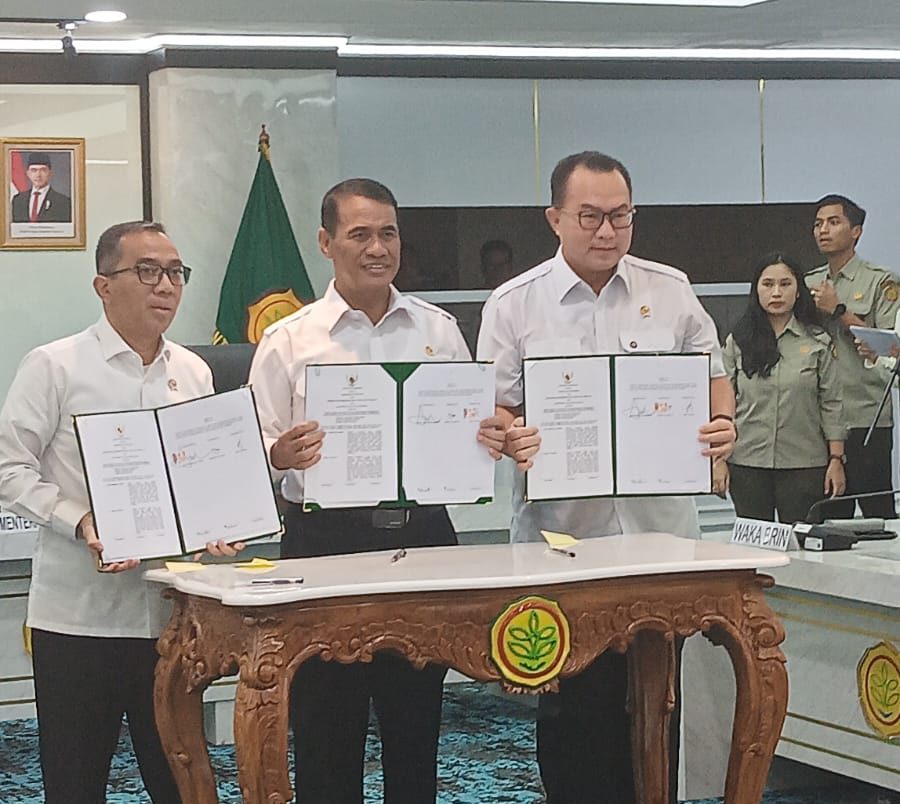
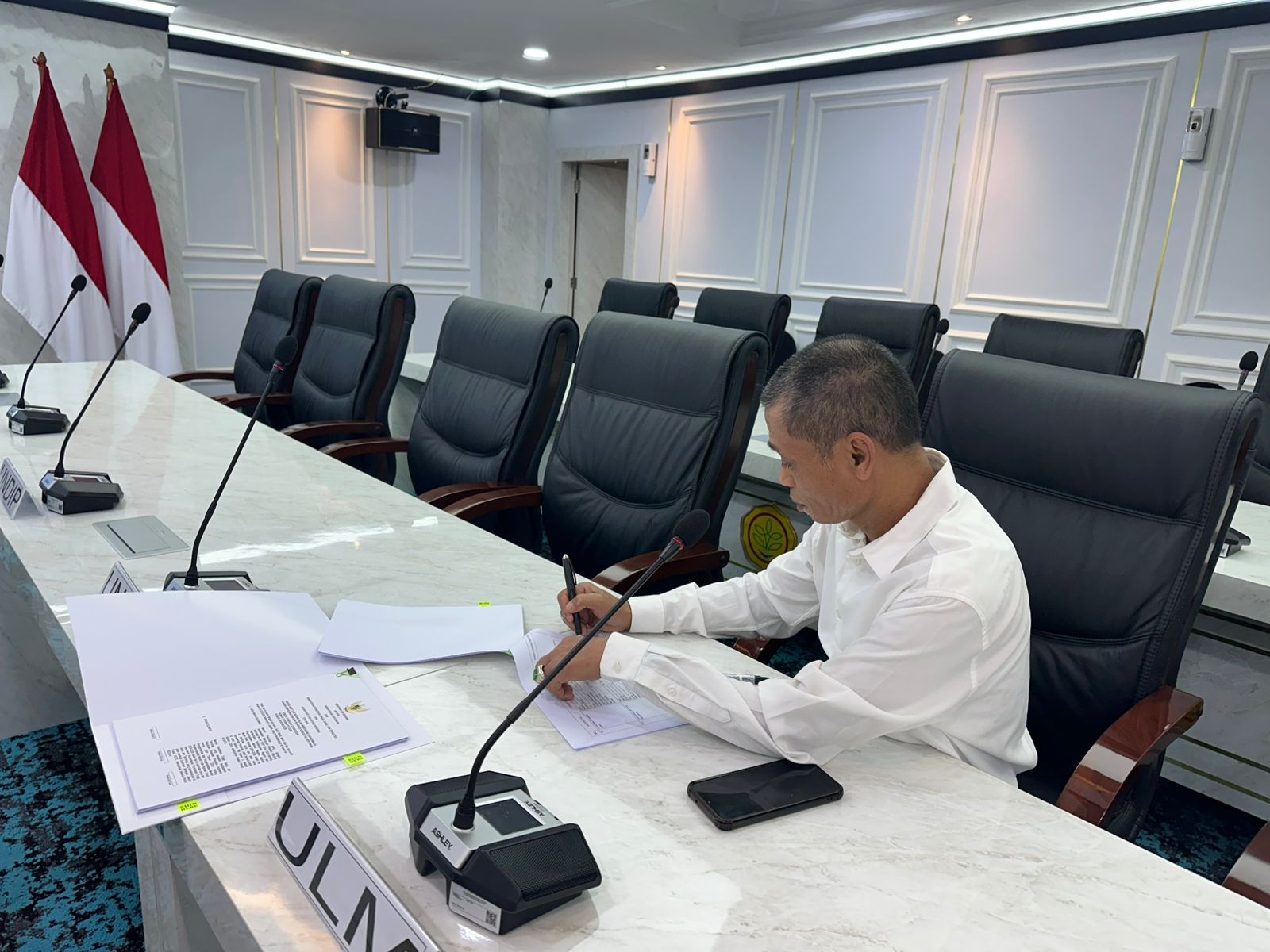
Jakarta – Lambung Mangkurat University (ULM) has once again demonstrated its commitment to supporting national development by strengthening research and innovation in the agricultural sector. This was marked by the signing of a joint agreement between ULM and the Ministry of Agriculture, the Ministry of Higher Education, Science, and Technology (Kemendiktisaintek), and the National Research and Innovation Agency (BRIN) on Thursday (March 12, 2026) in Jakarta.
The signing of this agreement aims to strengthen research and innovation synergies in supporting sustainable food self-sufficiency and the downstreaming of agricultural commodities in Indonesia. In this strategic program, ULM is one of 18 universities invited to collaborate with the government and national research institutions.
ULM Rector Prof. Ahmad Alim Bachri, S.E., M.Si., stated that ULM’s involvement in this collaboration is part of the university’s contribution to supporting the government’s strategic agenda, particularly in the food security sector.
“Through this joint agreement, Lambung Mangkurat University is committed to synergizing with the Ministry of Education, Science, and Technology, the Ministry of Agriculture, and the National Agency for Research and Innovation (BRIN) to strengthen research and innovation in agriculture to support the national food self-sufficiency program,” he said.
Furthermore, the Rector explained that one implementation of this collaboration is the development of a 100-hectare corn and coffee planting program, which will be part of strengthening the agricultural research and downstream ecosystem.
“We hope this collaboration will encourage the birth of research-based innovations that not only increase agricultural productivity but also provide added value through the downstream commodity process,” he added.
ULM’s participation in this program also forms part of the university’s efforts to continuously strengthen its role as a center for the development of science, technology, and innovation that impacts society. Through collaboration across ministries and national research institutions, ULM is expected to actively contribute to creating a resilient, sustainable, and research-based food system in Indonesia.