135 Sociology Students from ULM Undertake Community Service Program in Meratus Traditional Village
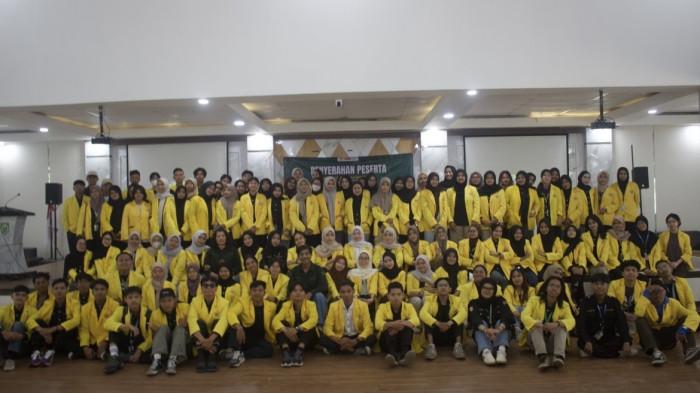
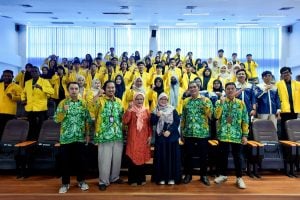
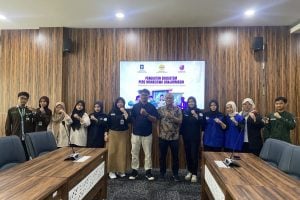
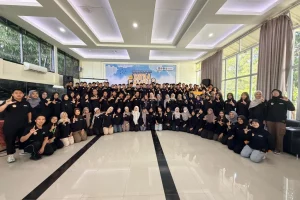
Balangan – Lambung Mangkurat University (ULM) has once again demonstrated its commitment to supporting local cultural preservation through its 2025 Community Service Program (KKN). A total of 135 students from the Sociology study program, Faculty of Social and Political Sciences (FISIP), were deployed to Balangan Regency, specifically in two sub-districts, to undertake the KKN program themed “Empowering the Potential and Role of Traditional Villages in Maintaining Sustainable Life in the Meratus Region.”
This activity not only serves as a forum for community service but also as a concrete effort by ULM to preserve the local wisdom of the indigenous people of the Meratus Mountains.
The students will live with residents in 13 villages spread across the Tebing Tinggi and Halong sub-districts for two full months. There, they will implement programs based on local potential, such as environmental education, natural product processing, and strengthening indigenous traditions.
ULM’s Community Service Program (KKN) Coordinator, Sri Hidayah, explained that involving students in traditional villages is a strategy to document and learn about the cultural values that have long existed and thrived within the Meratus community.
“Balangan has extraordinary cultural and social richness, but it has not been fully explored. Our students are expected to be a bridge to recognize, document, and help preserve these values,” she said.
During the welcoming ceremony, the students were symbolically given traditional Dayak attributes such as mandau, anjat, lawung, and butah. These symbols signify that the students are now accepted as part of the local traditional community.
Warm interactions between students and residents were established from the first day. One example was experienced by Lita, a student participating in the KKN program, who enthusiastically helped the village women make lamang (a type of traditional food). Daily activities like these with the community are ULM’s primary approach to implementing experiential learning.
Through this program, Lambung Mangkurat University emphasizes its role as a higher education institution that not only contributes to community development but also actively maintains cultural and environmental sustainability through close collaboration between the campus and the local community.