AMBAWA ULM Maps Potential and Challenges of Teluk Aru Village
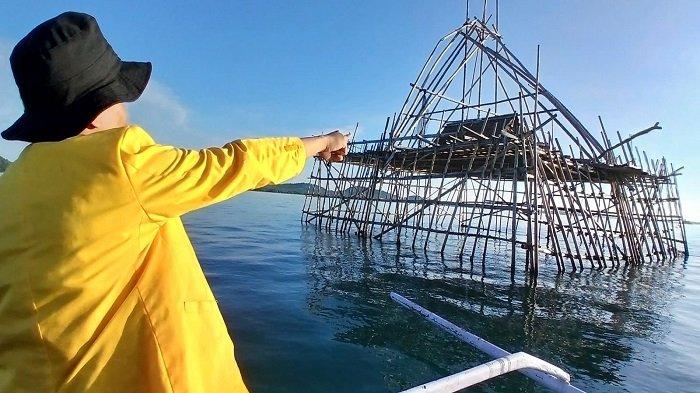
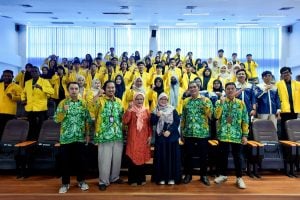
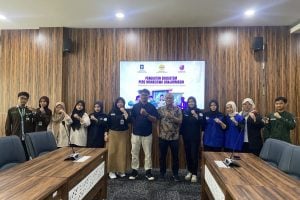
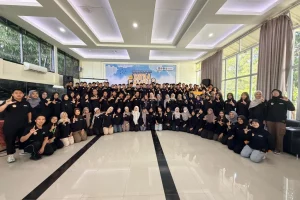
Banjarmasin – Universitas Lambung Mangkurat (ULM) has once again demonstrated its commitment to implementing the Tri Dharma of Higher Education through community service activities. This time, through the Student Service for Banua (AMBAWA) program, the ULM Student Executive Board (BEM) conducted village development research in Teluk Aru, which lasted for four days and three nights, from 22 to 26 May 2025.
This activity focuses on four strategic sectors, namely education, health, local potential, and human resource development (HRD). This initial research aims to map the potential and problems in Teluk Aru Village as a basis for planning a sustainable community service program that is right on target.
Adi Jayadi, Chair of BEM ULM and Chair of the AMBAWA Executive Board, said that the research conducted provided a lot of learning while opening up opportunities for long-term collaboration between students and the community.
“During the four days in Teluk Aru, we were welcomed very warmly. The friendliness of the community is a motivation for us to continue to contribute to village development,” said Adi.
Socially, Teluk Aru Village shows a high level of harmony. The majority of its residents are from the Mandar tribe and still hold tightly to the culture of mutual cooperation.
“People’s lives are very simple, but the values of togetherness and helping each other are an extraordinary social strength,” he added.
From the results of a survey conducted by students, the agricultural and tourism sectors are considered to be the village’s superior potential. Clove commodities are the main product that has been marketed to Sulawesi. Meanwhile, the beauty of Teluk Aru Beach with white sand and clear blue sea is said to have high tourist appeal, as long as it is managed sustainably and professionally.
However, there are still many infrastructure challenges that must be overcome. The connecting roads between regions are not yet fully paved, hampering the mobility of residents. Other problems such as access to clean water, sanitation, electricity, and communication networks are also major obstacles in supporting community welfare.
Through the AMBAWA program, BEM ULM is committed to providing real assistance to the community. In addition to education and surveys, this activity is directed at building a foundation for cooperation between campuses, village residents, and other parties who are concerned with the development of rural areas.
“We hope that this program will be the starting point for broader synergy. Not only between students and the community, but also with the local government and other development partners,” concluded Adi Jayadi.
This step is in line with the vision of Lambung Mangkurat University as a higher education institution that not only excels in academics, but also actively plays a role in solving real community problems, especially in the South Kalimantan region and its surroundings.