Anti-Corruption Education Must Be Among the Younger Generation
Corruption is one of the biggest problems faced by many countries, including Indonesia. This practice not only harms the country financially, but also destroys social order, weakens public trust in the government, and hinders development.
Sustainable development is highly dependent on the integrity of each individual in carrying out their responsibilities. Corruption is one of the main obstacles that damages the foundation of that trust. Therefore, efforts to eradicate corruption must involve every level of society, especially the younger generation, who are the backbone of the nation’s future.
Anti-corruption education is very important so that the younger generation not only has knowledge about this problem, but also has a strong, honest, and integrity character in every step of their lives.
The importance of anti-corruption education for the younger generation is an important asset for the future of a country. They are the successors of the nation who will later lead various sectors, from government, economy, to social.
If the younger generation is taught about the importance of anti-corruption values from an early age, they will grow into individuals who are more aware of the impact of actions that harm many people. Anti-corruption education not only teaches theory, but also forms a critical attitude and responsibility towards actions that have the potential to harm others and society at large.
One aspect that needs to be emphasized in anti-corruption education is an understanding of the destructive impacts caused by corruption. Corruption is not only financially detrimental, but also damages the social system and hinders the progress of a country.
The country’s economy can be disrupted because funds that should be used for development are misused. In addition, corrupt practices also create injustice that is detrimental to society, and reduces the quality of life of many people, especially those who live in poverty.
By understanding the various negative impacts of corruption, the younger generation is expected to develop an honest, responsible attitude, and care about the common welfare.
Anti-corruption education also needs to teach that every individual has an important role in creating a society free from corruption, starting from even the smallest actions. For example, the younger generation who are aware of anti-corruption will reject all forms of cheating, from cheating in school to misappropriation of public funds.
Implementation of Anti-Corruption Education in Various Lines of Education
Anti-corruption education must be implemented through an integrated approach in various aspects of life, both in schools, families, and social media.
In the school environment, anti-corruption education can be included in various subjects, such as Pancasila and Citizenship Education (PPKn), History, or even religious lessons. These subjects have the potential to shape students’ character and instill noble values that prioritize honesty and justice.
By including anti-corruption values in learning materials, it is hoped that students will find it easier to understand the negative impacts of corrupt behavior. In addition, extracurricular activities can also be an effective means of introducing the younger generation to the importance of eradicating corruption.
Activities such as discussions, debates, or simulations of corruption cases can encourage students to think critically and analyze situations involving corruption. Anti-corruption campaigns in schools can also broaden students’ understanding and encourage them to speak and act in accordance with the principles of honesty and integrity.
The role of the family in educating children is also very important. Parents are the first teachers for their children. As role models, parents can show how to live a life with transparency, fairness, and responsibility.
Anti-corruption values instilled by parents in everyday life will greatly influence the mindset and behavior of children in the future. Therefore, the family must be an environment that supports the formation of children’s character so that they can grow into honest and integral individuals. In addition to formal education, social media is also a very effective tool for conveying anti-corruption messages to the younger generation.
Currently, almost all young people have access to the internet and are active on various social media platforms. Therefore, through anti-corruption campaigns on social media, messages about honesty and integrity can be easily reached by the wider community, especially young people. Short videos, infographics, and interactive discussions can be an interesting medium for conveying information about the dangers of corruption and how how to fight it.
Not only that, rapidly developing technology also provides great opportunities for the younger generation to create innovations that can help eradicate corruption. For example, the development of a corruption reporting application that can be used by the public to report acts of corruption or abuse of power.
A digital-based education platform that provides an understanding of the importance of living honestly and with integrity can also be an effective means of expanding the reach of anti-corruption education among the younger generation.
A Joint Role in Creating an Anti-Corruption Culture
Although anti-corruption education has enormous benefits, its implementation requires support from various parties. The government, educational institutions, communities, and families must work together to create an environment that is conducive to learning anti-corruption values.
The government can provide policies that support the implementation of anti-corruption education in schools, while educational institutions must ensure that the curriculum taught is in accordance with the principles of honesty and justice. The community can also play a role in disseminating anti-corruption values through social activities, seminars, or training that involves the younger generation.
In addition, efforts to eradicate corruption must be carried out consistently and continuously in order to form a strong anti-corruption culture in society. This anti-corruption culture must be maintained and developed through continuous education, as well as changes in mindset and behavior at the individual, family, and community levels.
With effective anti-corruption education, the younger generation will not only become individuals who are free from corrupt practices, but also become agents of change who are able to lead the nation towards a more just, transparent, and dignified future.
Corruption is not a destiny that must be accepted, but a challenge that must be overcome together. Eradicating corruption is our shared responsibility, and through education, the hope of creating an Indonesia free from corruption can be realized.
Finally, anti-corruption education is the key to forming a young generation that has a strong character and integrity. By understanding the negative impacts of corruption, the younger generation is expected to be able to instill the values of honesty, responsibility, and concern for others.
The implementation of anti-corruption education must be carried out through an integrated approach in various aspects of life, both in schools, families, and through social media. In addition, support from the government, educational institutions, communities, and families is needed so that anti-corruption education can have a significant impact in forming an anti-corruption culture in society. With these steps, we hope to create an Indonesia that is free from corruption and more advanced, just, and prosperous.
Written by:
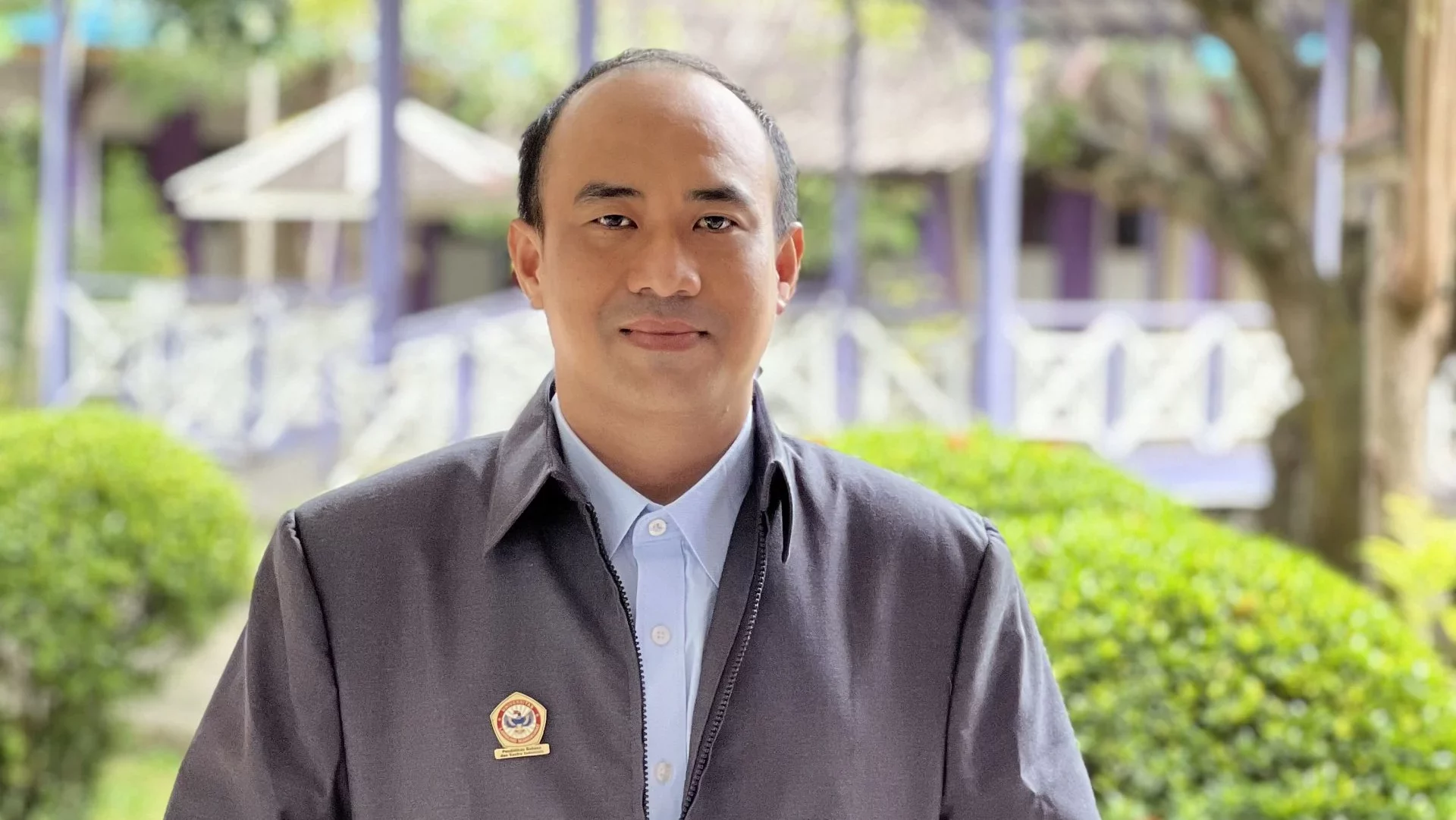
Syaifullah – Lecturer at the ULM Indonesian Language Faculty of Teacher Training and Education and Supervisor of the FKIP Student Press Institute
published in the Opinion Column of Radar Banjarmasin – Monday, April 14, 2025