ULM Nursing Students Hold SIGAP Training for Flood Mitigation in East Martapura
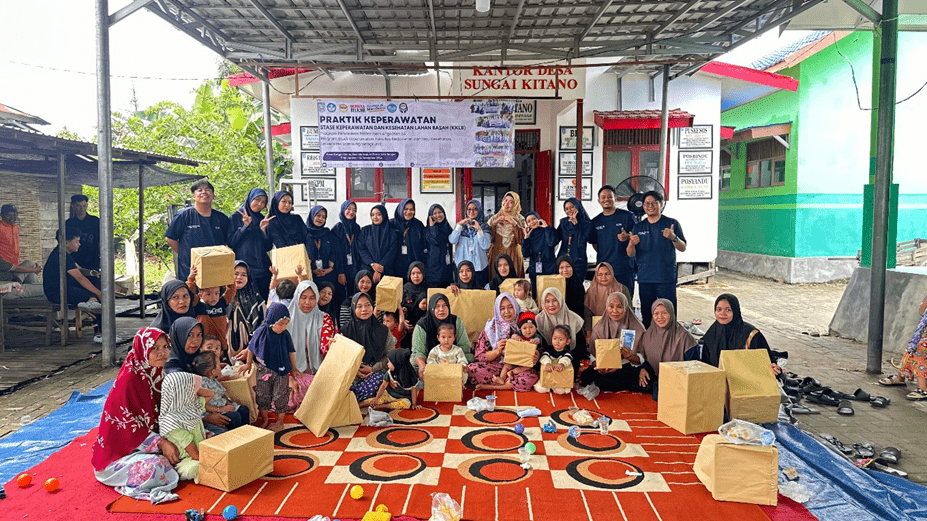
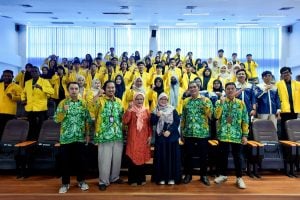
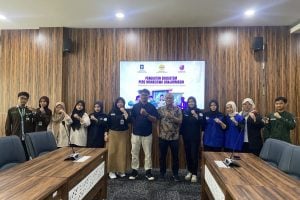
East Martapura (02/12/2024) – Students of the 24th batch of Nursing Profession Program from Lambung Mangkurat University (ULM) held SIGAP (Alert, Initiative, Active Assistance Movement) training to improve community preparedness in dealing with disasters and providing first aid. This activity took place at the Sungai Kitano Village Hall, East Martapura District, Banjar Regency, South Kalimantan.
This training aims to educate residents about first aid for wounds, drowning victims, and flood mitigation. A total of 17 participants from Sungai Kitano Village participated in this program enthusiastically. The PSC (Public Safety Center) team was present as speakers, including M. Fitriyadi, Ahmad Mujahid, Irwan Maidoni, and Aulia Irmadhani.
“SIGAP is an important program to improve the community’s ability in basic life support, especially in flood-prone areas such as Sungai Kitano Village,” said Aulia Irmadhani from the PSC team.
The activity began with a pre-test to determine the participants’ initial knowledge, followed by a material session and first aid demonstration, such as handling wounds, drowning victims, and cardiopulmonary resuscitation (CPR). The event closed with a post-test to evaluate the results of the training.
This activity was held due to the lack of emergency volunteer networks covering the East Martapura area. According to data, many accident or drowning victims do not receive optimal first aid, so the risk of death or disability increases. In addition, children aged 1-4 years are the most vulnerable group to drowning accidents. This training teaches residents preventive measures, such as installing safety devices in water areas and preparing safety equipment such as life jackets and PPE.
In flood mitigation, the community is taught to recognize signs of flooding, understand early warning systems, and prepare emergency equipment. The residents of Sungai Kitano Village warmly welcomed this program. Many were actively involved in simulations and direct practice.
One of the participants, Andi, said, “This training is very useful, especially because our village often experiences flooding.”
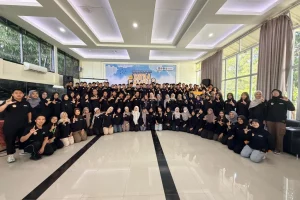
The implementing team consisting of ULM Nursing students, such as Adelya Nur Fathimatuzzahra, Fayza Eka Zhafirah, and their colleagues, hope that the material taught can be applied in real terms by residents to improve disaster preparedness.
With the success of the SIGAP training, ULM has again demonstrated its contribution in empowering communities through health education and training, especially in the disaster-prone areas of South Kalimantan.