[OPINION] Missed Creative Tourism
A short trip at the end of an international conference in Lombok some time ago left a profound impression. It wasn’t just the beach atmosphere or the scientific banquet, but also the unexpected experience of visiting Sukarara Village and the Sasak Sade Traditional Village. These two villages offer important lessons on how culture is not only passed down but also packaged into a highly valuable tourism experience.
In Sukarara Village, tourists don’t just come to see Lombok’s traditional woven fabrics. We were invited to try weaving ourselves, wear traditional clothing, and even pose in traditional houses prepared for tourists. There was interaction, education, and an experience purposefully designed so that visitors felt involved, not just by looking.
Meanwhile, in Sasak Sade Village, the experience was further enhanced. There, traditional houses are not only preserved as historical relics; they are living spaces that have been truly preserved, unaffected by modernization. Tourists are free to take photos, try on traditional clothing for photos, or purchase them, and experience the authentic atmosphere of traditional life. There are no modern buildings, no uncontextual engineering. This village is like a living museum. Tourists don’t just come to take photos, but rather immerse themselves in the life. The guide proudly stated, “If you want to marry someone here, you have to know how to weave.” That simple statement emphasized how weaving isn’t just a product, but an identity.
This experience made me wonder: why hasn’t Banjarmasin developed Sasirangan culture like this? We have Sasirangan Village, and the government has even designated it as a center for traditional Banjarese textiles. Yet, when tourists come, what do they get? Most simply look at the fabric, choose a motif, and then buy it. There’s no experience, no story, no process that makes us want to stay longer.
In fact, the foundation for such cultural tourism already exists. Sasirangan Village serves not only as a sales center but also as a place where tourists can observe the Sasirangan production process directly from the artisans. Visitors can witness the dyeing, the binding of the motifs, and the drying process. Unfortunately, this educational tour hasn’t been comprehensively developed into a complete “cultural experience package.” There are no Banjar traditional houses specifically for tourism, no organized traditional clothing rentals for visitors, and no photo booths that combine Banjar products, processes, and cultural identity in one destination. If these three elements were combined, Sasirangan Village would transform from a mere fabric market into a vibrant cultural destination.
In fact, tourism is currently shifting from sightseeing to experiential tourism, a tourism model in which visitors want to learn, engage, and experience culture, not just observe it. Imagine if tourists could enter a Banjar traditional house, wear a tapih, laung, or Banjarese clothing, and then be guided to make a simple Sasirangan in a short time. They could take home their own handmade fabric, complete with a photo with the traditional house as a backdrop. The economic value would come not only from the fabric sold, but also from the creative tourism packages: workshops, costume rentals, photo booths, motif storytelling, and education on color and philosophy. Sasirangan would become a memory, not just an object.
This model has proven successful in various regions, such as Bali with the Ubud Painting Class, Yogyakarta with the Batik Workshop, and Lombok with the Tenun Experience. All of this indicates that culture combined with experience will have multiplied economic value. It’s not the product that comes first, but the story and engagement. Tourism isn’t just about selling objects, it’s also about selling experiences.
Even more interesting, this concept fits perfectly with Banjarmasin’s development as a creative city and a gateway to river tourism in South Kalimantan. Experience-based Sasirangan tourism can be integrated with river tourism packages, religious tourism, and even halal tourism. This aligns with the development of the creative economy and the potential of the halal industry, as traditional textiles and local culture are part of the halal lifestyle identity that is currently trending.
So, who should initiate this? Relying solely on the government is certainly not enough. Collaboration is key. Craftsmen, traditional house owners, cultural communities, academics, tourism practitioners, and even creative students can all be part of this ecosystem. Universities can play a role through motif design research, digital marketing, and training in creative business models. Craftsmen are not just sellers, but also cultural tour guides. The younger generation of Banjarese can become curators of stories about how the colors, motifs, and philosophy of Sasirangan are connected to the values of Banjarese life.
At this point, we have to ask, will Sasirangan just a fabric to be bought and sold, or a cultural identity that we live together? If it’s simply sold without a story, it will be an easily replaceable product. But if packaged as an experience, it will become a memory that thousands of tourists take home.
Banjarmasin has history, culture, and creativity. What we need now is the courage to package it. The Banjar traditional house is not just an icon, but a space for experience. Sasirangan Village is not just a market; it must be a cultural school. And Sasirangan is not just a fabric; it must be a story we are proud of.
If Sukarara and Sade can prove that culture can become a vibrant and sustainable tourism destination, then Banjarmasin can too. It’s time we stop wasting this enormous potential and start presenting the Sasirangan Experience, which combines education, economics, and identity. Because culture seen will only be admired for a moment. But culture experienced will be remembered and cherished forever.
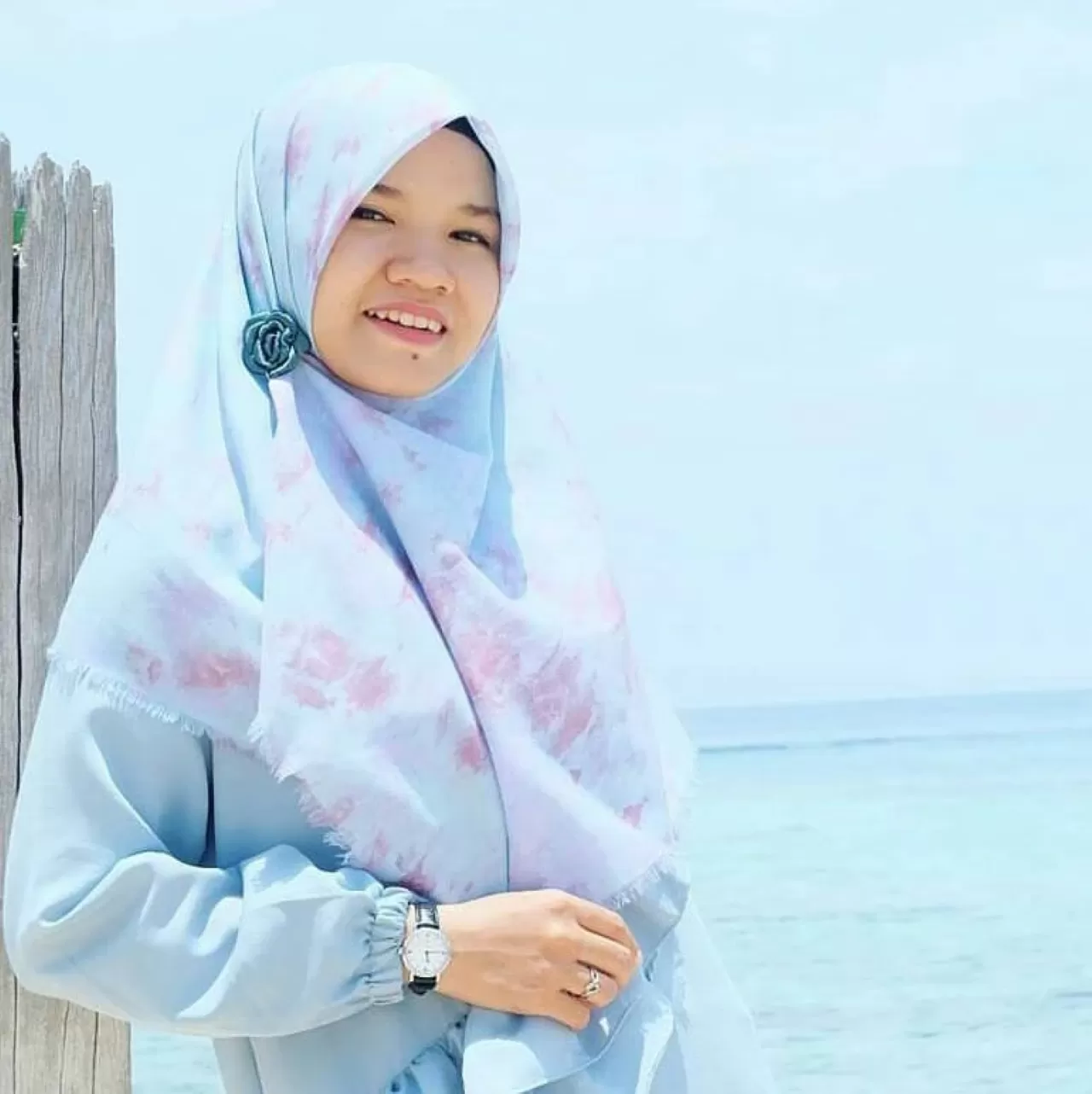
By: Sri Maulida – Lecturer, Faculty of Economics and Business, ULM Banjarmasin
Published in the Radar Banjarmasin newspaper, December 15, 2025