Banjar Culinary Revitalization: ULM Examines Local Wetland Wisdom as Cultural Identity
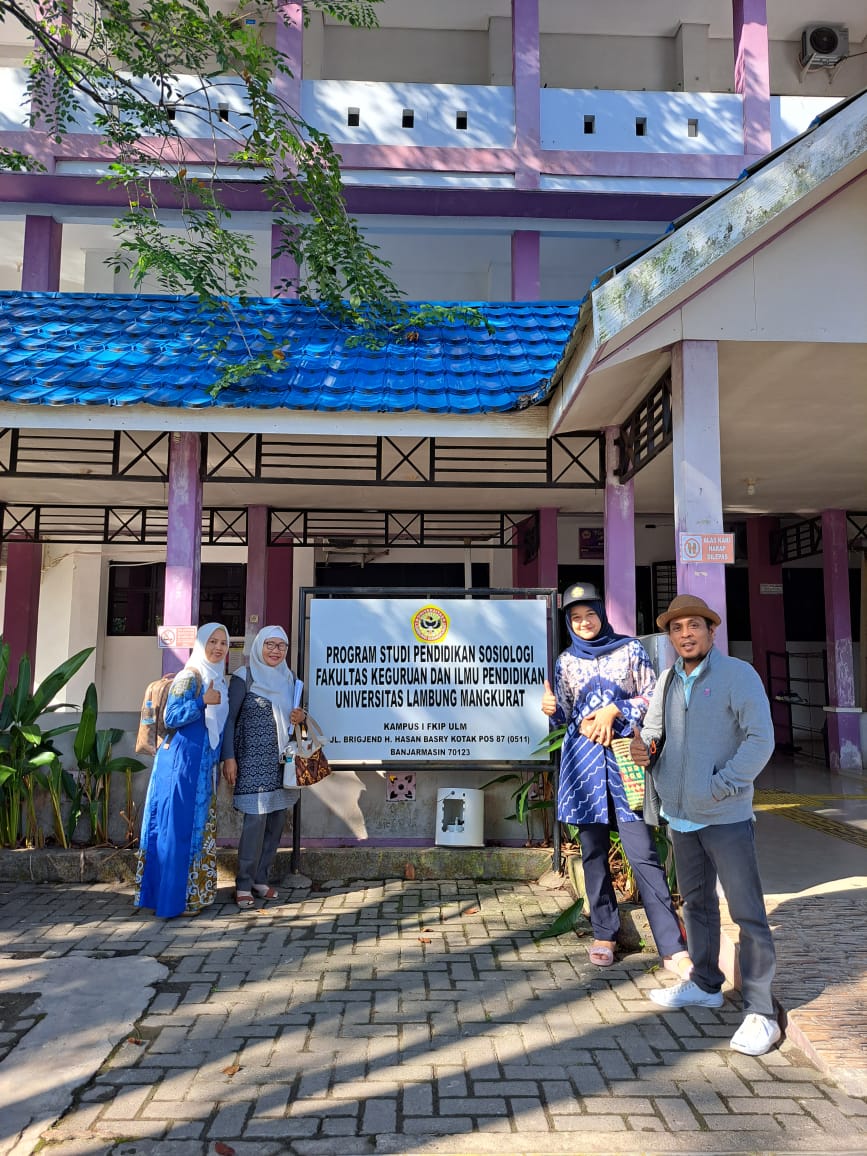
Banjarmasin – A research team from the Department of Sociology Education at Lambung Mangkurat University (ULM) is conducting a study entitled “Wetland Ecology and Banjar Culinary Traditions: Revitalizing Local Wisdom as a Support for Cultural Identity.”
This research reveals the importance of traditional Banjar food not only as culinary delights, but also as social unifiers, cultural symbols, and a means of transmitting values from generation to generation.
The head of the research team, Dr. Yuli Apriati, S.Sos., M.A., explained that Banjar cuisine arose from the wetland ecosystems of South Kalimantan, such as rivers and swamps.
“Modernization has increasingly marginalized local cuisine. If preservation is not undertaken immediately, this cultural heritage risks being lost and disconnected from the younger generation,” she said.
Using qualitative methods with an ethnographic approach, this research involved nine informants consisting of cultural experts, culinary practitioners, and Banjar residents. Data was collected through observation, in-depth interviews, and visual documentation. Several traditional foods that are still preserved include lakatan bahinti, wajik, kokoleh, ketupat, as well as bubur habang and bubur putih.
Preliminary research results indicate that traditional Banjarese foods serve various purposes:
- Social functions, such as in traditional and religious events, and to support the local economy.
- Cultural functions, as symbols of identity and a means of transmitting values.
- Ecological functions, because the main food ingredients are sourced from the potential of wetlands.
In addition to the scientific report, this research also produced visual documentation in the form of photos and videos of Banjarese culinary delights, as well as posters. Going forward, the research team aims to publish in national journals and participate in the National Wetlands Seminar.
“Hopefully, Banjarese culinary delights will not only be known as unique dishes, but also recognized as cultural treasures that strengthen the identity of the people of South Kalimantan,” added Yuli Apriati.