From Waste to Solution: ULM and Teluk Tiram Residents Create Valuable Compost
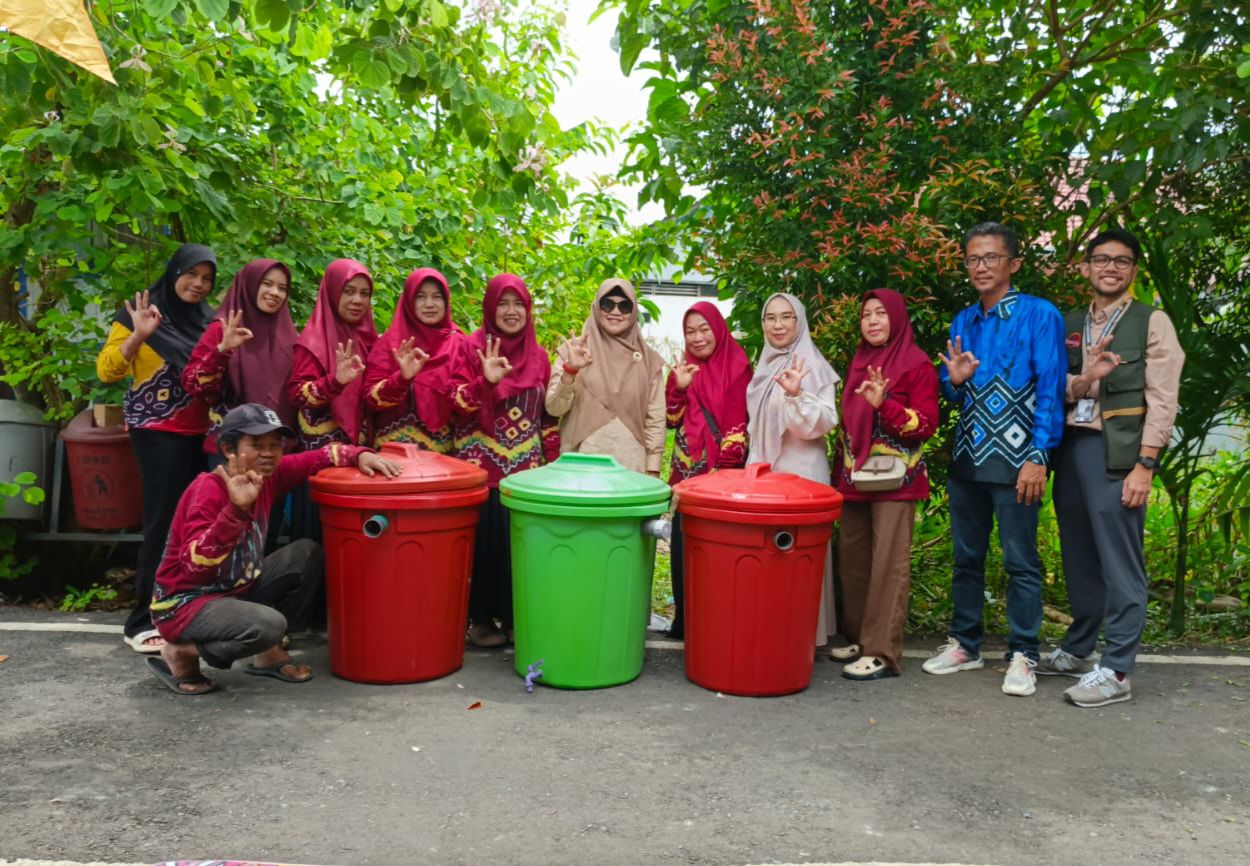
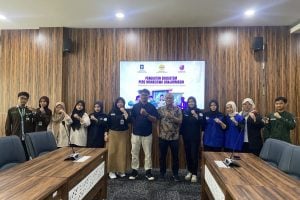
Banjarmasin — The Management Study Program of the Faculty of Economics and Business (FEB) at Lambung Mangkurat University (ULM) has once again reached out to the community through the 2025 Lecturer Service Program (PDWA). This time, the community service team invited residents of Teluk Tiram Village, West Banjarmasin District, to process organic waste into economically valuable compost. The activity took place on Tuesday (August 26, 2025) at the Bahagia Waste Bank, Jalan Bahagia, RT 8, and was attended by local waste management groups.
The PDWA Team Leader, Dr. Dahniar, SE., M.Si., stated that waste management remains a challenge in Banjarmasin City.
“We want household waste to not just be disposed of, but to be processed into a source of income. We are involving women so that this activity can have a direct impact on the family economy,” he said.
In addition to providing outreach, the PDWA team also provided three large composters to support the residents’ compost production. Participants received direct guidance on the processing, packaging, and marketing strategies for compost products to make them more attractive and competitive.
The Head of the Bahagia Waste Bank, Noorliana, welcomed the mentoring.
“We already produce around 30 kilograms of compost per month, but after shrinkage, only 15 kilograms remain. Sales are still done via WhatsApp. With ULM’s assistance, we hope to make the packaging more attractive and increase the selling price,” she said.
The PDWA team also emphasized the importance of digital marketing to ensure compost products reach a wider market. “We want this training to be sustainable. Mentoring will continue so that the community can become independent in managing waste while improving their welfare,” added Dr. Dahniar.
The PDWA team from the Management Study Program, Faculty of Economics and Business, ULM, consists of Dr. Dahniar, Dr. Suyatno, Dr. Maya Sari Dewi, Akhiid Yulianto, Gt. Rina Variany, M. Ariq Athallah Akbar, and two students: Akhmad Fadil Pebrian and Irwan. Through this program, ULM affirms its commitment to providing real solutions to environmental problems, while also encouraging communities to be more productive and economically empowered.