ULM Lecturers Train Teachers to Develop Wetland-Based Chemistry E-Modules
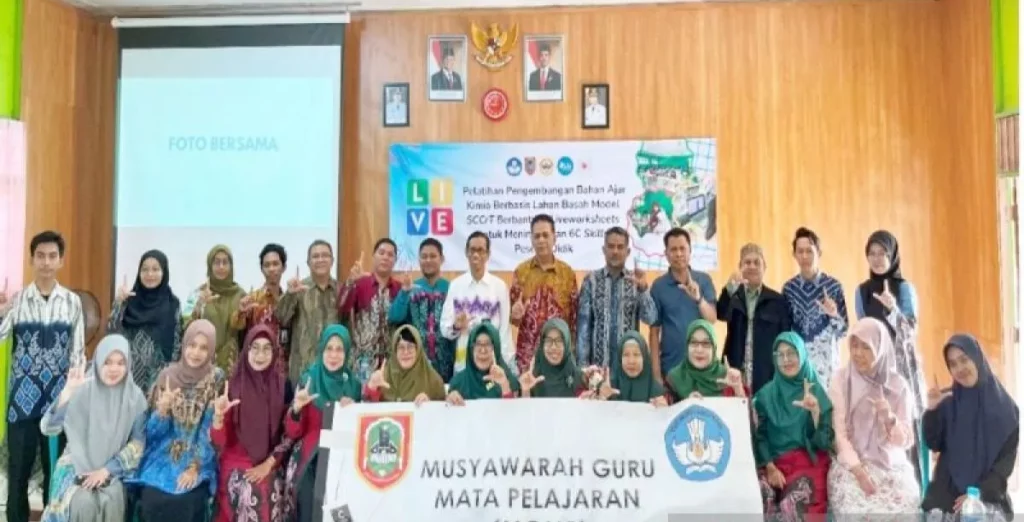
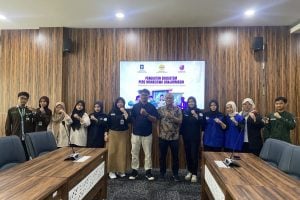
MARABAHAN – Lambung Mangkurat University (ULM), through a team of lecturers from the Chemistry Education Department, Faculty of Teacher Training and Education, is implementing the Compulsory Lecturer Service Program (PDWA) with the theme “Training to Develop Wetland-Based Chemistry E-Modules Using the SCCrT Model, Assisted by Liveworksheet.” This activity targets chemistry teachers who are members of the Chemistry Subject Teachers’ Conference (MGMP) in Barito Kuala Regency, and will run from July to September 2025.
The head of the service team, Drs. Parham Saadi, M.Si., explained that this program is designed to strengthen teachers’ capacity in developing digital teaching materials.
“We want teachers to be able to present interactive e-modules that not only contain theory but also connect chemistry concepts to the wetland ecosystems around them. This way, students learn more contextually and meaningfully,” he said.
This training uses the Scientific Critical Creative Thinking (SCCrT) model, assisted by Liveworksheet. The method includes orientation, scientific activities, presentations, critical-creative thinking assignments, and evaluation and reflection. Through this process, students are expected to master the 6C Skills: communication, collaboration, critical thinking, creativity, citizenship, and character/empathy.
Team member, Dr. H. Rusmansyah, M.Pd., added that digital innovation is key to modern learning.
“Liveworksheets make learning more flexible, accessible at any time, and provide space for teachers and students to be more adaptable to the digital era,” he explained.
The Head of the Barito Kuala Chemistry MGMP, Suroto, welcomed this activity positively, who considered continuous training crucial for improving teacher skills. The enthusiasm of the participants was also evident, including Sri Rahayu, who said she felt more confident in creating digital teaching media after receiving guidance from ULM lecturers.
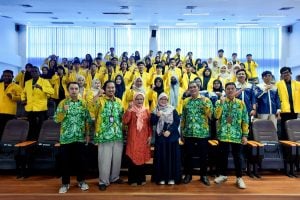
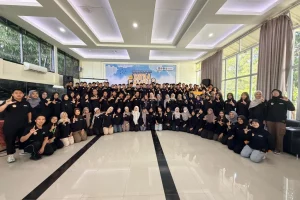
The PDWA program also involved ULM Chemistry Education students in mentoring teachers, documenting activities, and assisting with module development. The presence of these students reinforces ULM’s commitment to being an impactful campus, a university that focuses not only on theory but also on providing real solutions for the community.
ULM aims for the results of this program to improve the quality of science learning in South Kalimantan and become a model for environmentally-based educational innovation that can be replicated in other regions.
“Through the collaboration of lecturers, teachers, and students, we aim to create more contextual, modern, and sustainable science learning,” concluded Parham Saadi.