• Penghargaan
  • Akreditasi ULM
  • Blog Dosen ULM
  • INFO PMB ULM
    • SNMPTN 2020
    • UTBK-SBMPTN 2020
    • Seleksi Mandiri 2020
    • Beasiswa KIP-Kuliah
  • Brosur/Leaflet ULM
  • Indonesia
ULMULM
  • Home
  • Profile
    • Vision, Mission, Goals, Targets & Achievement Strategies
    • Organizational structure
    • Management
      • Executive Board
      • Senate Board
      • Leaders of Faculties, Institutions and UPT
    • History
    • Meaning of the ULM Coat of Arms
    • Motto, Flag, Hymn & Mars
    • Duties, Functions and Complete Addresses of Faculties, Postgraduates, Institutions and UPT
  • Bureau
    • Academic and Student Affairs
    • General and Finance
    • Planning, Collaboration and Public Relations
  • Faculty
    • Teacher Training & Education
    • Economy & Business
    • Law
    • Social science and political science
    • Mathematics and natural science
    • Fishery & Marine
    • Forestry
    • Agriculture
    • Engineering
    • Medical
    • Dentistry
    • Postgraduate
  • SAKIP
    • Performance Planning
      • Strategic Plan
      • Development Master Plan
      • Annual Performance Plan
      • Performance Agreement Document
      • Action plan
    • Performance Measurement
      • Annual Performance Achievements
    • Performance Reporting
      • Accountability Report
    • Performance evaluation
      • SAKIP evaluation
  • Satisfaction Survey
    • Unduh Survei

Berita Lainnya

  • Home
  • Blog
  • Berita Lainnya
  • SME Tax: ULM Economics Lecturer Highlights Challenges and Solutions for the Government

SME Tax: ULM Economics Lecturer Highlights Challenges and Solutions for the Government
  • Posted by admin
  • Categories Berita Lainnya
  • Date 1 February 2025

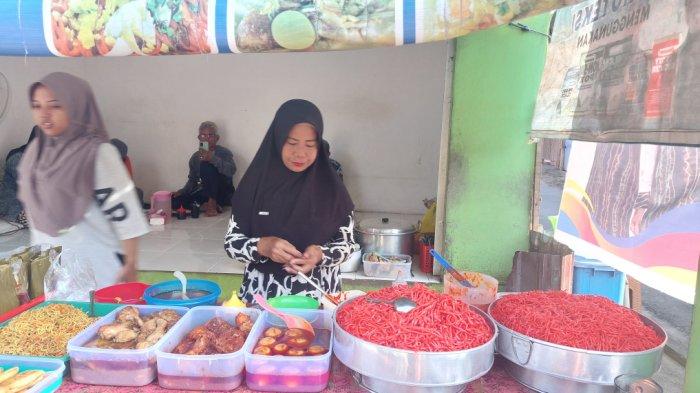
Banjarmasin – The government’s policy of imposing taxes on Small and Medium Enterprises (SMEs) by lowering the Final Income Tax (PPh) rate to 0.5 percent is seen as a strategic step to expand the tax base. However, its success greatly depends on the approach taken by the government.

According to Ir. Syahrial Shaddiq, M.Eng., MM., a lecturer at the Faculty of Economics and Business at Universitas Lambung Mangkurat (ULM), this policy can encourage the formalization and sustainability of SME businesses if implemented fairly and proportionally.

“If the tax is low and income-based, this policy can benefit SMEs. However, if implemented suddenly or burdensomely, it could pressure small business operators,” he said.

He emphasized that the success of this policy depends on a simple, transparent system, accompanied by incentives for SMEs to comply with taxes. Thus, SMEs can gain access to various government facilities such as funding, training, and legal protection.

“Conversely, if the conditions of SMEs, such as limited capital and low tax literacy, are not considered, it could have negative impacts and threaten business continuity,” he added.

Regarding the resilience of SMEs in facing various challenges, Syahrial explained that operational flexibility, linkage to local needs, and relatively low cost structures are the main factors of their durability.

“Lighter tax treatment indeed helps, but factors such as product innovation and operational efficiency also determine the sustainability of SMEs,” he explained.

Can this tax policy cause many SMEs to go out of business? According to Syahrial, it greatly depends on the design of the tax policy. If the tax rates and reporting mechanisms are too complicated or high, small SMEs with thin profit margins might struggle to survive.

“Conversely, if there are incentives such as tax exemptions for certain incomes or low progressive tax rates, the negative impacts can be minimized,” he said.

To ensure this policy runs effectively without burdening SMEs, Syahrial emphasized several steps the government needs to take. These include educating SME operators about the benefits and mechanisms of taxation, implementing low tax rates for small businesses, and providing incentives such as tax exemptions in the first year.

Additionally, simplifying the tax reporting mechanism through digital technology can also help SMEs more easily fulfill their tax obligations.

“Local governments also need to play an active role in supporting SMEs through training programs, partnerships, and market access to keep them competitive. With a comprehensive approach, tax policies can become a driver of SME growth, not a threat to their sustainability,” concluded Syahrial.

  • Share:
admin

Previous post

PPIIG ULM Analyzes Factors Causing Floods in South Kalimantan
1 February 2025

Next post

ULM Planning, Cooperation, and Public Relations Bureau Holds Capacity Building
2 February 2025

You may also like

WhatsApp Image 2026-04-11 at 10.16.08 AM (1)
ULM Supports Scholarship Recipients, Building a Positive Mindset and Academic Discipline
11 April, 2026
IMG_7921-1024×768
Reviving the Student Press: ULM Promotes Critical, Independent, and Ethical Journalism
11 April, 2026
e014243d-3f6d-4213-9903-063ee218e352-1024×768
ULM Strengthens Student Character and Collaboration through 2026 Student Organization Development Activities
3 April, 2026

Pengumuman Terbaru

ULM Office Inventory Auction Due to Fire
08Jan2026
Open Recruitment – Public Relations Volunteers
02Jan2026
Postponement of Administrative Selection and Interview Results
23Dec2025
Recruitment of Academic and Educational Personnel
11Dec2025

Lembaga & UPT

  • Career Development and Entrepreneurship Support Unit
  • Guidance and Counseling Support Unit
  • Information and Communication Technology Support Unit
  • Institute for Quality Assurance and Learning Enhancement
  • Institute for Research and Community Service
  • Integrated Laboratory Support Unit
  • Language Support Unit
  • Lembaga Penjamin Mutu
  • Library Support Unit
  • Wetland Environment Support Unit

Tautan

  • Career Development Center
  • Kawasan Hutan Dengan Tujuan Khusus
  • LPSE
  • Pusat Pelayanan Asesmen Kompetensi
  • Pusat Penelitian Lingkungan Hidup
  • Pusat Pengelolaan Jurnal & Penerbitan
  • Pusat Pengembangan Infrastruktur Informasi Geospasial
  • Pusinotekom Hutan dan Lahan Basah
  • Technology Business Incubator (IBT)
  • Tim Pakar Percepatan Penanganan Covid-19 ULM
  • Unit Konsultasi dan Pelayanan Psikologi

Kontak Kami

Jl. Brigjen H. Hasan Basri, Kayu Tangi, Banjarmasin, Indonesia, Kotak Pos 219

Pusat Informasi dan Pelayanan Terpadu:

(0511) 3306671, 3306603, 3304177, 3306694

[email protected]

Copyright ©2019 Universitas Lambung Mangkurat

  • IKA
  • Peta Kampus