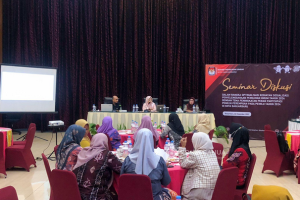
Zakat Goes to Campus Chapter South Kalimantan “The Role of Millennials in the Development of Zakat in Indonesia
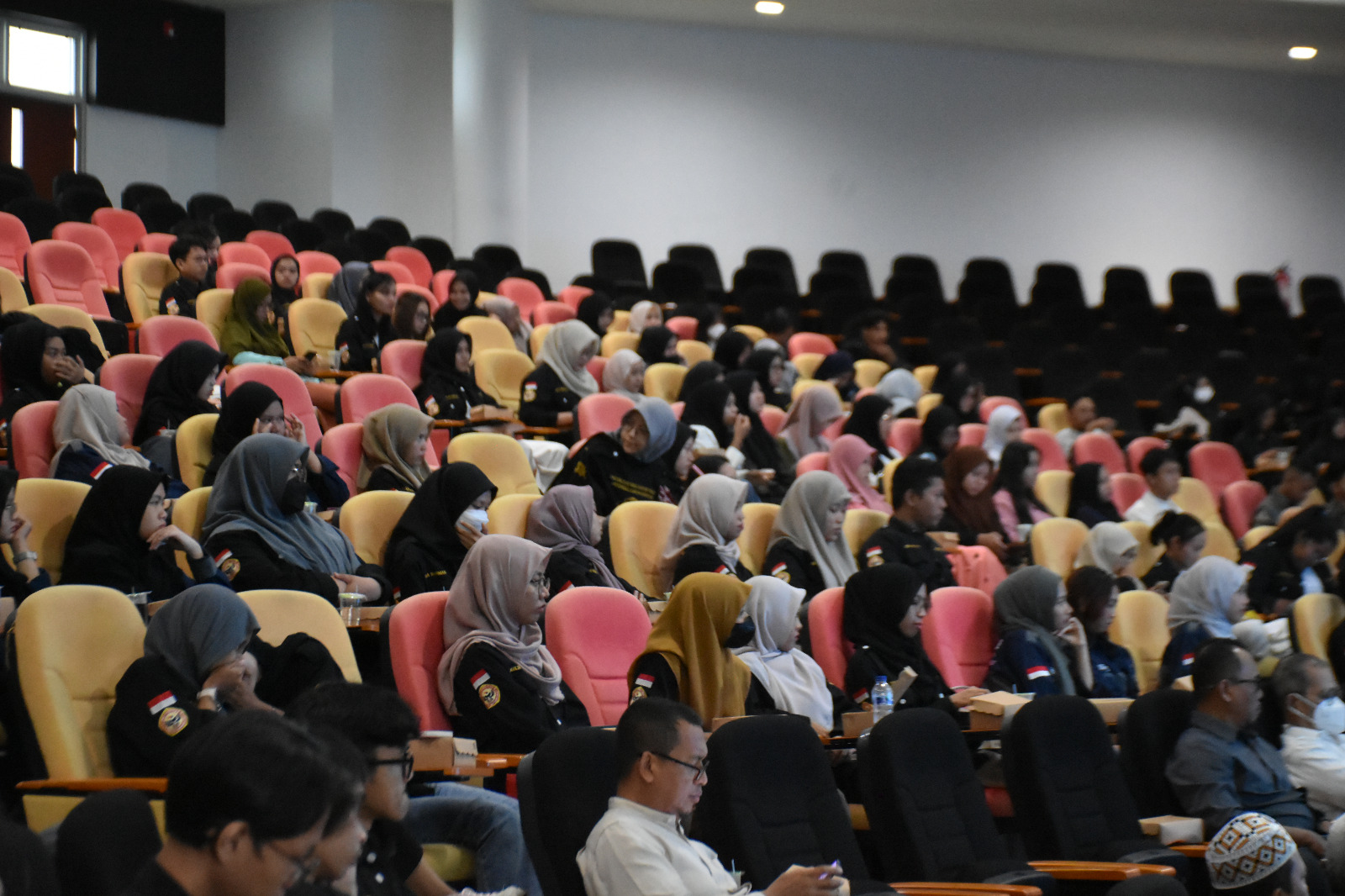
BANJARMASIN – The National Zakat Forum held a discussion on Zakat Goes to Campus South Kalimantan Chapter at Lambung Mangkurat University (ULM), Thursday (7/12) yesterday. With the theme “The Role of Millennials in the Development of Zakat in Indonesia”, they wanted to bring zakat closer to the campus environment. Six speakers were presented in the discussion. They were Barman Wahidatan (Member of the Advocacy Division of the National Zakat Forum), Muhammad Luthfi Alfin (Chair of the South Kalimantan Regional Zakat Forum), Irhamsyah Safari (Chair of the South Kalimantan Baznas), Sri Maulida (Academic of the ULM Faculty of Economics), Ahmad Bugdadi (Head of the Islamic Religious Information and Zakat and Waqf Empowerment Division of the Regional Office of the Ministry of Religion of South Kalimantan) and Eddy Hardiyanto (Editor in Chief of Radar Banjarmasin).
In his presentation, Bugdadi said that this seminar was very important to foster the qualities of generosity, sympathy and empathy for students. “It needs to be nurtured from an early age to foster and encourage the nature of mutual cooperation and sympathy through zakat,” he said. He added that the majority of Muslims in South Kalimantan make the potential for zakat in South Kalimantan very large. He revealed that by the first semester of 2023, IDR 26 billion had been collected. “By embracing the campus and students, I am optimistic that the higher the amount that can be collected will be,” he said.
The Ministry of Religion, he said, also has the same program to explore the potential of zakat on campus. “Zakat Goes to Campus is the focus of the ministry, including Waqf to Campus,” he said. Barman said that Generation X’s social sensitivity was very high. So a forum in collaboration with the campus is very appropriate. According to him, awareness of zakat needs to be encouraged by all elements. “Including Gen Z who have high spirits and have great social sensitivity,” he said.
In line with Barman, Luthfi said that the millennial generation’s enthusiasm for donating online is increasing every year. “After Covid-19, their enthusiasm is very high, growth continues to be high,” he said. Irhamsyah said that in exploring the potential for zakat in South Kalimantan, his party had previously involved institutions and agencies. By involving campuses, apart from increasing literacy, it will also help introduce the benefits of paying zakat. “The potential for zakat in South Kalimantan is very large by collaborating with millennials. We are confident that this potential can be maximized. “Thank God we received support from the student component,” he said.
From an academic perspective, Sri Maulida said that Gen Z is so technology savvy, so zakat will be better known. “Through this discussion, students can better understand zakat, and can convey it via digital media to their families,” he said. Meanwhile, Eddy said that in South Kalimantan many parents now send their children to madrasas and Islamic boarding schools. As Gen Z, they will gain a better understanding of zakat. In fact, in the future, they have great potential as a generation of zakat payers.
Students are also often seen on the side of the road taking part in fundraising during disasters. It’s good to grow their concern for others. Students actually sometimes also have the potential to receive zakat. “For example, they (boarding school children, ed.) are sometimes waiting late for money to be sent from their parents. “I can only afford instant noodles,” said Eddy.

You may also like
ULM will have 118 professors by the end of 2023