Closure of Basirih TPAS Triggers Waste Crisis in Banjarmasin, ULM Academic Highlights Lack of Real Solutions
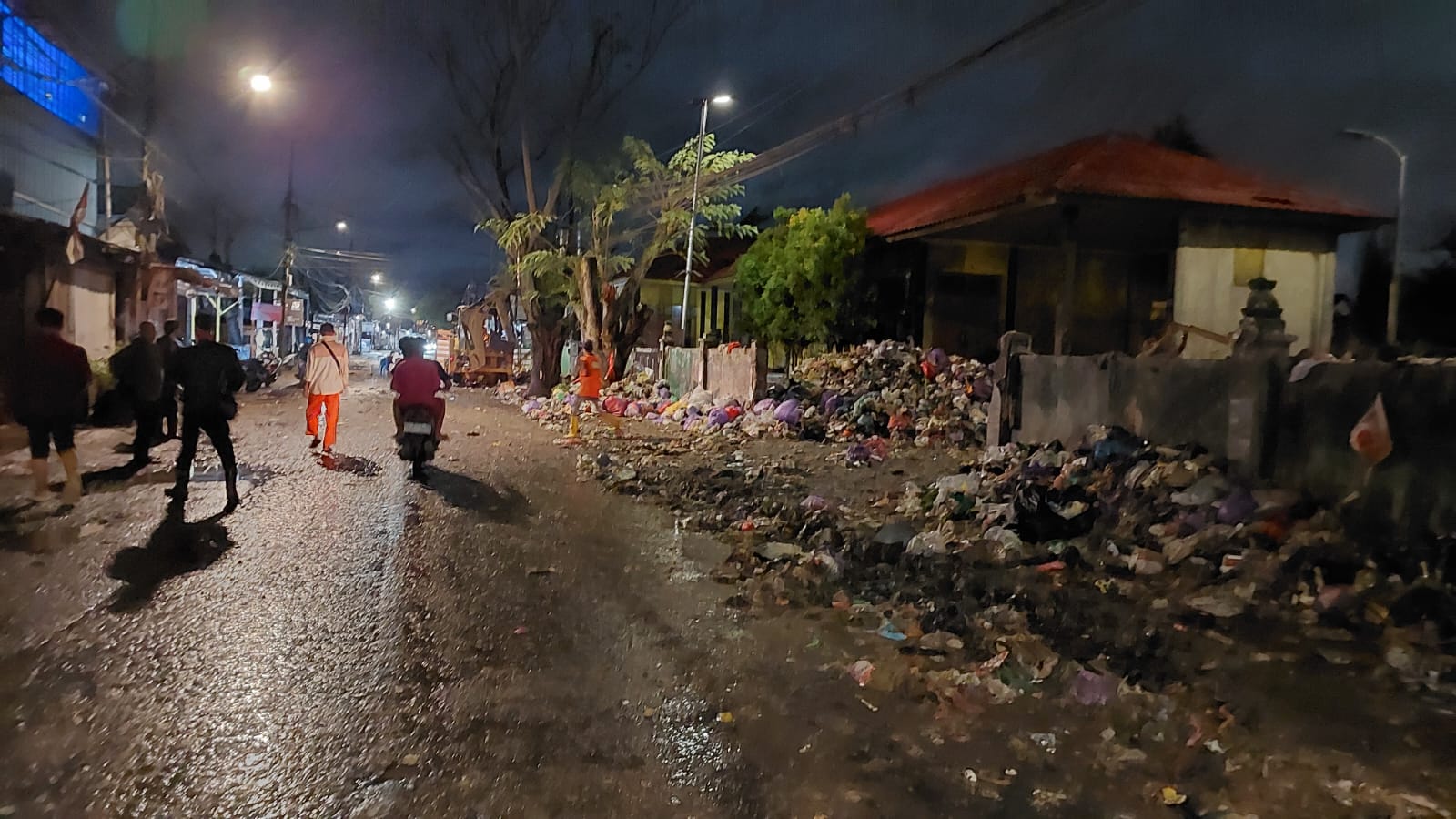
The closure of the Basirih Final Waste Processing Site (TPAS) in Banjarmasin by the Ministry of Environment and Forestry on February 1, 2025, sparked controversy among the public. This was due to the direct impact of the closure which caused concerns about the accumulation of waste that had piled up and overflowed into all TPS and streets in various corners of the city in the last few days.
This was a concern for ULM academic and urban planning observer Dr. Eng. Akbar Rahman who criticized the emergency waste situation that hit Banjarmasin City after the closure of Basirih TPAS by the Ministry of Environment (KLH).
Akbar expressed his concern about the condition of the city streets which were covered in garbage, causing an unpleasant odor, and creating an unpleasant view. He also questioned how long this situation would continue.
“The waste problem is not new, but its handling has not been effective until now. Although the mayor’s circular has been issued, if there are no concrete steps in the field, the policy will only be mere discourse,” he said.
Akbar, who is also a Banjarmasin resident, criticized the cycle of waste problems that continues to repeat itself. Starting from the behavior of people who litter, TPSs that are overwhelmed with accommodating waste, to officers who have difficulty managing waste that eventually piles up.
As the Head of the ULM Architecture Study Program, Akbar reminded that if this condition is allowed to continue, Banjarmasin will not only be known as the city of a thousand rivers, but also the city of a thousand mountains of waste.
Akbar suggested that one effective step is to require people to sort waste from home, not just an appeal. Only residual waste may be brought to the TPS, while organic waste must be managed independently through composting.
“Activate TPS3R and communal waste management at the RT level. Inorganic waste that still has economic value must be collected for recycling and distributed to waste banks. All waste bank activities in Banjarmasin must be empowered,” he explained.
Akbar also suggested that TPS make improvements by providing facilities for sorting and grouping waste, so that waste that has been separated by residents at home does not get mixed up again.