ULM SID Team Conducts Socialization and Agricultural Social Survey for Phase II Land Optimization in South Kalimantan
Banjarmasin— The Study Identification and Design (SID) Team from Lambung Mangkurat University (ULM) continues its commitment to supporting the national food security program through socialization and agricultural social survey activities for the Phase II Agricultural Land Optimization (Oplah) program implemented throughout South Kalimantan.
This program is part of a strategic step to optimize the use of swamp and non-swamp land in increasing agricultural productivity in the region. This socialization and social survey activity targets directly at the district/city level as a form of participatory approach to stakeholders and farming communities.
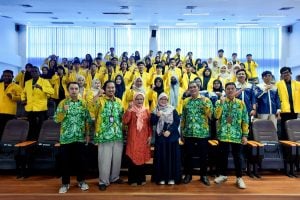
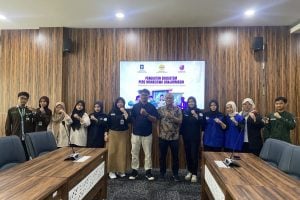
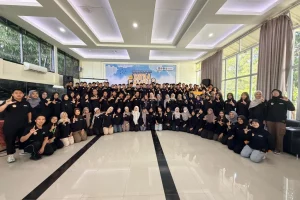
By the end of June 2025, the ULM SID team had conducted socialization and surveys in four areas, namely:
- Tanah Laut Regency
- Banjarbaru City
- Barito Kuala Regency
- Upper Sungai Tengah Regency
In this socialization activity, the SID team conveyed technical information related to the land management plan that will be optimized, program objectives, and long-term benefits for local and national food security. Meanwhile, the social survey activity aims to explore the potential and challenges faced by local farming communities, including the ability of farmers to manage land and the readiness of agricultural institutions in the village.
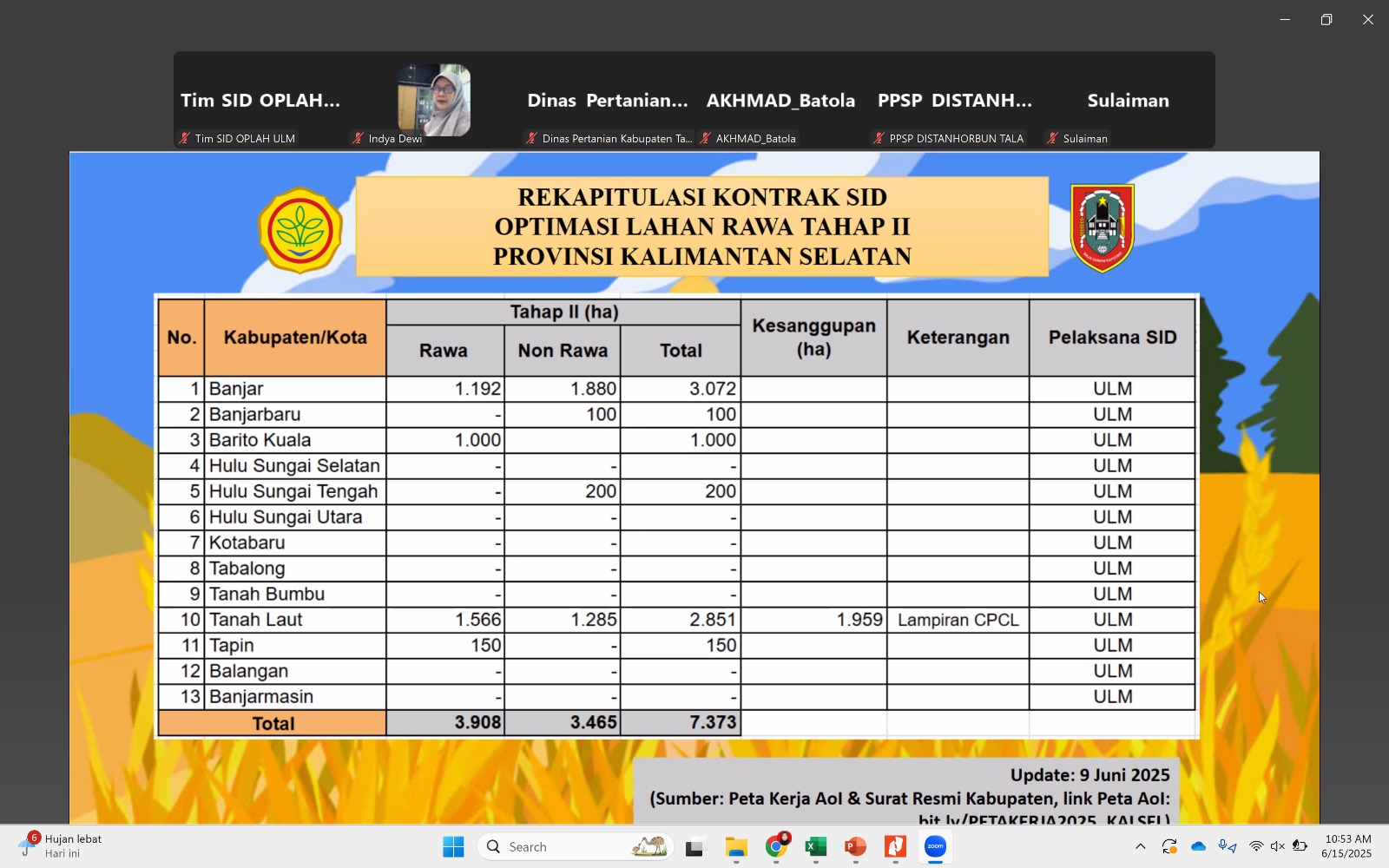
Based on the recapitulation of the SID Phase II contract, the total area of land targeted in South Kalimantan reached 7,373 hectares, consisting of 3,908 hectares of swamp land and 3,465 hectares of non-swamp land. Tanah Laut Regency is one of the areas with the largest land coverage, namely 2,851 hectares, followed by Banjar Regency (3,072 hectares) and Barito Kuala (1,000 hectares).
This activity received full support from the district/city Agriculture Office and the farmer groups involved. In the future, the ULM SID Team will continue the survey and field validation process in other districts/cities according to the predetermined schedule.
The implementation of this program is part of ULM’s contribution to the development of science-based agriculture and multi-sector collaboration. In the future, the ULM SID Team will continue activities in other areas according to the schedule and continue to conduct field validation to produce implementable recommendations.
With this land optimization program, it is hoped that the agricultural potential in South Kalimantan can continue to be improved sustainably in order to support national food security and the welfare of local farmers.