ULM Chemistry Lecturers Develop Environmentally Friendly Biopesticides for Sustainable Agriculture
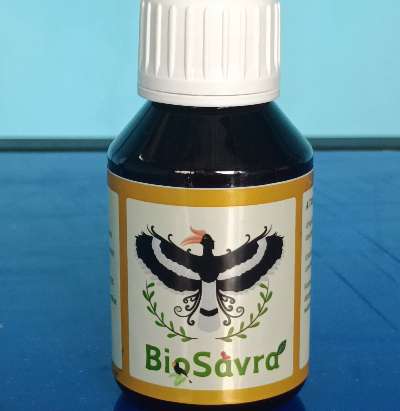
Banjarbaru – A research team of lecturers from the Chemistry Department, Faculty of Mathematics and Natural Sciences (FMIPA) of Lambung Mangkurat University (ULM) has succeeded in developing an essential oil-based biopesticide that is more environmentally friendly and effective in controlling pests. This innovation is expected to be a solution for the agricultural sector in reducing the negative impacts of using synthetic pesticides that have the potential to damage the environment and human health.
The increasing demand for agricultural products has encouraged the use of chemical pesticides on a large scale. However, long-term use of synthetic pesticides can cause various negative impacts, such as pest resistance, decreased soil fertility, and health threats such as cancer and organ disorders due to carcinogenic residues. Realizing this challenge, the ULM lecturer team consisting of Dyah Ayu Pramoda Wardani, Aulia Rhamdani Arfan, Achmad Ramadhanna’il Rasjava, and Sunardi developed an essential oil-based biopesticide that is safer for the ecosystem.
“This biopesticide contains emulsified essential oils so that it is easier to use, has better adhesion, and remains stable and effective in controlling pests,” explained the ULM research team.
Different from synthetic pesticides, this essential oil-based biopesticide has several advantages, including:
✅ Does not leave harmful residues for plants, soil, and water
✅ Safer for humans and the environment
✅ Does not cause pest resistance
✅ Has antibacterial, antifungal, and insecticidal properties
The essential oils in this biopesticide work by inhibiting the nervous system and metabolism of pests and damaging the structure of pathogen cells. Some pests that can be controlled include Fusarium spp. fungi, aphids, fruit flies, termites, ants, and Escherichia coli bacteria that can contaminate the soil.
Because essential oils are non-polar and hydrophobic (insoluble in water), the ULM team applied emulsification technology to change their properties into an oil-in-water system. This technology allows essential oils to be suspended in water so that they are more stable, easier to apply, and increase their adhesion to plants.
The method of use is also quite simple. To treat plants attacked by pests, simply mix 5 mL of biopesticide into 1 liter of water, then spray it on the plants. As for pest prevention, simply use 2 mL of biopesticide per 1 liter of water and spray every morning or evening for 7-14 days for optimal results.
This innovation is expected to support sustainable agriculture by increasing healthier and safer agricultural yields. In addition, the development of this biopesticide also provides economic opportunities for local farmers and essential oil producers, and has the potential to reduce dependence on synthetic pesticide imports.
With the support of the government and the agricultural community, the application of essential oil-based biopesticides can be a big step towards greener, healthier, and more sustainable agriculture.